
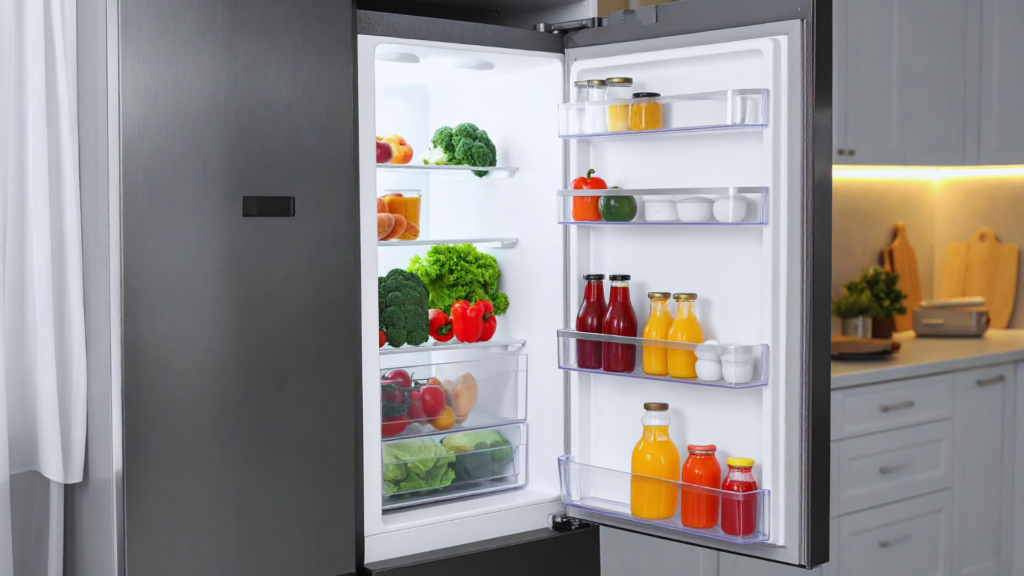
Designing a fridge that inspires healthy choices starts with intentional organisation and thoughtful layout. A well-arranged fridge makes nutritious options more visible and accessible, encouraging better eating habits without added effort. By categorising foods and placing fresh produce in prominent, easy-to-reach areas, the fridge becomes a tool for straightforward, healthier decisions.
Clear zones for different food types, such as fruits, vegetables, proteins, and meal-prep items, help reduce clutter and food waste while supporting balanced meal planning. Maintaining visual appeal through tidy, practical storage also sparks creativity and motivation in preparing wholesome meals.
Incorporating smart design features and consistent organisation can transform an everyday appliance into a powerful ally for maintaining a healthy lifestyle. This approach simplifies choices, making nutritious eating a natural part of daily routines.
Core Principles of Healthy Fridge Design
A well-designed fridge encourages better food choices by organising items for convenience, visibility, and nutritional value. The design should support how people behave around food, make healthy options easy to spot, and prioritise storing nutrient-rich foods prominently.
Behavioural Science in Food Choices
Human behaviour is strongly influenced by convenience and visibility. People tend to select foods that are easiest to see and grab, so arranging the fridge to highlight healthy options increases the likelihood of choosing them.
Placing fruits, vegetables, and healthy snacks at eye level or in the front creates a “visual prompt” that guides decisions towards nutritious foods. Conversely, keeping indulgent or less healthy items less accessible reduces impulsive choices.
Studies indicate that reorganising food placement can shift eating patterns without requiring willpower. Small environmental changes, such as clear containers, labelled sections, or colour coding, create cues reinforcing good habits automatically.
Importance of Visual Accessibility
Clear visibility of food items reduces waste and encourages timely consumption. Using transparent storage bins and door shelves for grouped categories like leafy greens, dairy, or prepared meals helps users find what they need quickly.
Organising foods by type and access frequency allows for more efficient meal prep and planning. For example, storing frequently used ingredients in easy-to-reach spots minimises unnecessary searching or forgetting.
Labels or colour codes highlight which foods are healthiest or soon to expire. Allocating specific zones for different food groups maintains order and reduces clutter, supporting an ongoing healthy eating routine.
Prioritising Nutritional Foods
Healthy fridge design places nutrient-dense and fresh produce in prominent locations. Leafy greens, fresh fruits, lean proteins, and whole grains should occupy top shelves or sections with optimal temperature control.
Frozen compartments should be stocked with healthy staples like frozen vegetables, lean meats, and whole-grain meals rather than processed foods. Keeping these items organised by meal type or dietary need supports consistent healthy eating.
Limiting space for high-sugar or high-fat treats and instead offering healthier accompaniments nearby encourages a balanced diet. This approach reduces temptation and subtly nudges users towards better nutritional choices over time.
Layout and Organisation Strategies
A well-designed fridge layout supports healthy eating by making nutritious choices visible and accessible. Strategic placement and clear organisation help reduce food waste and encourage balanced meal preparation.
Grouping Food Types for Health
Grouping related food types together enhances ease of access and promotes healthier choices. For example, storing fresh vegetables and fruits in a dedicated produce drawer or clear bins helps maintain their freshness and encourages consumption.
Dairy products, proteins, and prepared meals should have distinct sections to avoid cross-contamination and to streamline meal planning. Keeping snacks separate from staple food items reduces the temptation of impulse eating.
Organising by food type also aids in tracking inventory, ensuring perishable items are used in a timely, which reduces waste and supports a varied diet.
Using Transparent Storage Solutions
Transparent storage containers allow users to quickly identify contents without opening each box. This visibility reduces the time the fridge door remains open, maintaining a consistent temperature and food quality.
Clear bins are especially useful for grouping smaller items like berries, cheese cubes, or cut vegetables. They simplify meal prep and reinforce portion control.
Using uniform, stackable containers maximises fridge space while maintaining an orderly appearance. Labels on clear boxes can add extra clarity, ensuring items are easily located and used before expiry.
Zoning for Frequent Use Items
Placing frequently used items at eye level or in easy-to-reach areas improves efficiency and supports habitual healthy choices. Commonly used ingredients like milk, juices, and fresh herbs should be positioned where they are instantly accessible.
Less frequently used items, such as condiments or bulk purchases, can be stored on lower or upper shelves. This zoning reduces decision fatigue during meal preparation.
Temperature zones should also be considered: storing dairy on the coldest shelves and fruits in slightly warmer drawers preserves freshness. Clear zoning minimises clutter and speeds up daily access to essentials.
Incorporating Smart Technology
Smart technology enhances a refrigerator’s ability to support healthy eating by automating food management and providing precise, personalised reminders. These features reduce waste while encouraging informed dietary choices.
Automated Inventory Tracking
Smart fridges use sensors and cameras to monitor contents continuously. They update digital inventories to track quantities and identify items in real time.
This technology alerts users when stocks run low, helping them restock fresh, nutritious food before shortages occur. It can also highlight items nearing expiry, prompting timely consumption or disposal to prevent waste.
By integrating with smartphone apps, inventory tracking offers remote viewing and easy management. Users can plan meals based on available ingredients, reducing unnecessary purchases of unhealthy snacks.
Inventory data combined with recipes enables automatic suggestions geared toward balanced, healthy dishes. This system supports nutritional goals by steering users away from processed or forgotten food items.
Custom Health-Focused Alerts
Smart fridges can send personalised notifications based on user health profiles. Alerts might recommend consuming specific foods to meet dietary requirements or warn against items that could cause issues, such as allergens.
These reminders consider factors like calories, macro- and micronutrient targets, and food sensitivities. They help users align daily consumption with their health objectives without additional effort.
Alerts can also track hydration by suggesting water intake or flagging a need to supplement with fresh produce rich in vitamins. This proactive guidance supports overall well-being by making healthy choices more convenient.
Using AI, the fridge tailors feedback as eating habits evolve. This continuous adjustment makes health-focused alerts an ongoing aid in maintaining balanced nutrition.
Aesthetic and Functional Elements
Effective fridge design uses both visual appeal and practical features to encourage healthier food choices. Colour and lighting play key roles in making nutritious options more inviting and easy to access. These elements work together to create an organised space that supports daily healthy habits.
Colour Psychology in Food Presentation
Colour affects appetite and food perception significantly. Bright, vibrant colours like reds, oranges, and greens tend to draw attention and signal freshness, making fruits and vegetables more appealing.
Arranging produce by colour can create a “rainbow” effect, enhancing visual interest while promoting variety. Using clear containers or glass jars emphasises natural colours and reinforces cleanliness.
Neutral tones for storage containers and shelves help healthy foods stand out. Earthy accents such as wood or glass complement fresh produce and contribute to a calming, natural atmosphere inside the fridge.
Lighting to Highlight Healthy Options
Proper lighting improves visibility and makes healthy foods easier to find. LED lights with a daylight spectrum reveal natural food colours without distortion.
Strategically placed lighting near fresh produce sections or meal prep areas helps prioritise nutritious options. Under-shelf lighting beams on fruits and vegetables create focal points.
Soft, adjustable lighting minimises shadows and reduces the risk of forgotten or overlooked items. This enhances both aesthetics and fridge efficiency by encouraging mindful choices.
Materials and Sustainability Considerations
Material selection and product lifespan are crucial to reduce environmental impact while maintaining performance. Eco-friendly choices and durability both affect the fridge’s overall sustainability and user experience.
Choosing Eco-Friendly Components
The fridge should incorporate materials with low environmental footprints, such as recycled metals and bioplastics. Using these materials helps cut down on raw resource extraction and lowers waste. Insulation materials must balance efficiency with sustainability, favouring options that reduce greenhouse gas emissions during production.
Manufacturers can apply the Kano model to prioritise features, ensuring selected materials support both function and sustainability. Components designed for easy disassembly improve recyclability and reduce landfill waste. This also supports future repair and refurbishment efforts, extending component life.
Material choices should consider water use and energy consumption in their lifecycle. Suppliers adhering to responsible sourcing standards enhance the environmental value of each material.
Long-Term Durability and Maintenance
Durability directly influences a product’s sustainable impact by limiting the frequency of replacements. The fridge’s external surfaces and internal components must resist wear, corrosion, and degradation over time.
Ease of maintenance is key. Removable parts and modular design allow users to repair or upgrade components, extending product life. This reduces total resource consumption and prevents premature disposal.
Selecting materials that withstand daily use without frequent degradation supports environmental goals. For example, stainless steel and treated polymers offer durability alongside recyclability.
Clear maintenance guidelines empower users to preserve the fridge efficiently, supporting sustainability through behaviour change.
Personalisation for Diverse Lifestyles
Designing a fridge that supports healthy habits requires flexibility and smart features tailored to individual needs. This includes adaptable storage that matches specific dietary requirements, along with family-focused options that encourage nutritious choices for all ages.
Adjustable Shelving for Dietary Needs
Adjustable shelving allows users to customise their fridge space according to the foods they prioritise. For example, those following plant-based diets might dedicate larger, clearer sections to fresh vegetables and fruit, while others may need more room for meal-prepped containers or dairy substitutes.
Shelves that shift in height and depth accommodate various container sizes, from tall juice bottles to wide salad bowls. Modular compartments help separate food types, reducing cross-contamination and making it easier to locate healthy options quickly.
Such customisation also supports dietary goals by keeping preferred healthy items visible and accessible. This can encourage consistent healthy eating habits because users can organise their fridge to suit daily meal planning and snacking preferences.
Family-Friendly Healthy Features
For families, fridge design must balance accessibility and order. Clear bins for fruits and vegetables, labelled compartments for snacks, and dedicated spaces for children’s lunch items simplify organisation and promote healthier eating habits.
Features like adjustable humidity drawers help keep produce fresh longer, reducing food waste and encouraging consumption of fresh ingredients. Separate zones for dairy, proteins, and beverages allow each family member to find preferred items easily.
Integrating smart technology that tracks expiry dates or suggests recipes based on ingredients can further support busy households. These practical features ensure that the fridge remains a tool for healthy living tailored to the diverse needs of every family member.
Promoting Long-Term Healthy Habits
Creating a fridge design that encourages healthy eating involves more than just aesthetics. It requires a system that makes nutritious options visible and accessible. When healthy foods are easy to find, individuals are more likely to choose them consistently.
Consistency is key to developing long-term healthy habits. Organising a fridge by food categories or mealtimes can simplify meal preparation and decision-making. For example, placing fruits and vegetables in clear containers at eye level helps reinforce regular consumption.
Educational elements can also play a role. Clear labelling or colour-coded bins can guide users toward balanced choices without effort. This method supports gradual behaviour change by reducing the need for constant decision-making.
A table illustrating simple organisation strategies:
| Strategy | Benefit | Example |
| Clear Containers | Visibility and easy identification | Transparent bins for snacks |
| Categorised Sections | Faster meal prep and selection | Separate areas for proteins, veggies, and dairy |
| Labelled Compartments | Reduced guesswork, better planning | “Breakfast items” or “Lunch prep” labels |
The fridge should also reflect personal habits to remain practical. Tailoring organisation to individual routines increases the likelihood of sustained healthy eating practices.
Incorporating these techniques creates an environment that supports gradual, lasting improvements in diet and well-being.