
Creating a home space that encourages better habits starts with thoughtful design choices that support daily routines. The layout, organisation, and items within a living space influence physical health, mental well-being, and lifestyle habits. A well-designed environment makes healthier behaviours easier to adopt and maintain without extra effort.
Small changes, such as arranging the kitchen to prioritise healthy foods or creating dedicated zones for movement and relaxation, can have a significant impact. These adjustments help reduce stress and foster positive routines by shaping the way individuals interact with their home.
By focusing on practical elements like natural light, clutter reduction, and intentional spaces for activity, a home can become a supportive setting for wellness. This approach moves beyond aesthetics to create lasting benefits for both body and mind.
Understanding Habit Formation
Habit formation involves a series of psychological and physiological mechanisms that embed behaviours into daily routines. Key aspects include how habits originate, the structure that sustains them, and the various influences that enable behavioural shifts.
The Science Behind Habits
Habits form through repeated behaviours that become automatic responses to specific triggers. Neurologically, this process shifts activity from the prefrontal cortex, responsible for decision-making, to the basal ganglia, which governs routine actions. This transfer allows tasks to be performed with minimal conscious effort.
Continuous repetition strengthens neural pathways, making the habit more ingrained. However, habits are not fixed; they can be altered or replaced by intentional practice. Understanding this plasticity is crucial for designing environments that promote desired actions effectively.
Habit Loops and How They Work
A habit loop consists of three elements: cue, routine, and reward. The cue triggers the behaviour, the routine is the behaviour itself, and the reward reinforces it, encouraging repetition.
For example, a cue might be feeling stressed, leading to the routine of making tea, followed by the reward of relaxation. Recognising and adjusting these loops enables individuals to replace unwanted habits with more positive alternatives by changing either the cue or the reward.
Factors Influencing Behavioural Change
Behavioural change depends on multiple factors such as motivation, environment, and consistency. Motivation provides initial drive, but without a supportive environment, maintaining new habits is challenging.
Consistency strengthens habit formation, turning deliberate actions into automatic ones. External factors like social support and accessibility also influence success. Manipulating these factors, such as organising spaces to make good habits easier, increases the likelihood of lasting change.
Designing an Intentional Home Environment
Creating a home that supports positive habits requires deliberate planning. Attention to the layout, organisation, and subtle environmental cues can encourage healthier routines and reduce obstacles to productivity.
Principles of Environmental Design
The foundation of an intentional home starts with functionality and purpose. Each area should reflect its intended use clearly, avoiding multi-function confusion that divides attention.
Natural light is essential. It boosts mood and alertness, so placing workspaces or activity zones near windows improves focus and energy. Colour choices also influence behaviour; soft blues and greens are calming, while brighter colours like yellow can stimulate creativity.
Ergonomics matter, too. Comfortable furniture and easy access to tools or items needed for specific tasks make habits easier to maintain. Thoughtful design supports movement and interaction, promoting both physical and mental well-being.
Minimising Distractions and Clutter
Clutter disrupts focus and increases stress. It is crucial to eliminate unnecessary items and organise essentials into designated spaces.
Using storage solutions like shelves, baskets, and labelled boxes provides order and clarity. A clear surface signals readiness for action and reduces procrastination.
Limiting visible technology in relaxation or dining areas can prevent distractions. Setting boundaries around where devices are used reinforces habit formation, such as reserving bedrooms for rest only.
Regular decluttering routines prevent buildup and maintain intentional order continuously.
Using Cues and Triggers Effectively
Environmental cues work as reminders or motivators for habits. Positioning items related to a task visibly or within reach encourages automatic action.
For example, placing a yoga mat beside the sofa acts as a prompt to exercise. Similarly, a water bottle on the desk can trigger regular hydration.
Consistency in routine is supported when cues are reliable and predictable. Colour, lighting changes, or even scent can act as subtle triggers to shift mindset or behaviour.
Intentional use of cues reduces reliance on willpower, making healthier habits more sustainable.
Optimising Key Spaces for Positive Habits
Designing specific areas in the home to support particular activities can make positive habits more achievable. Attention to layout, lighting, and organisation plays a critical role in encouraging productivity, movement, and restful sleep.
Creating a Productive Workspace
A productive workspace prioritises minimising distractions and maximising focus. Clear desk surfaces with essential tools only help reduce clutter-related stress. Positioning the desk near natural light sources improves alertness and mood throughout working hours.
Ergonomics is important. A comfortable chair, proper desk height, and a screen at eye level prevent strain and maintain physical comfort. Adding organisational elements like shelves or filing systems aids in managing work materials efficiently.
Consistency in setup reinforces habit formation. Having a dedicated place for work signals the brain to switch into a productive mindset, separating work time from leisure effectively.
Setting Up a Fitness Area
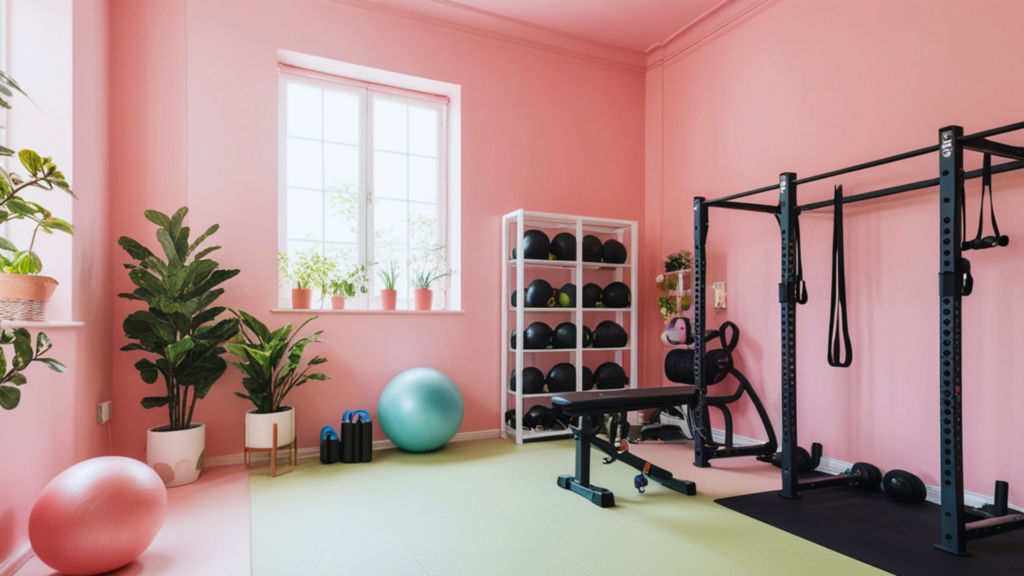
A fitness area does not require a large space, but must be intentional and accessible. Equipping a corner with a yoga mat, resistance bands, or light weights encourages daily movement without complexity.
Visibility matters. Keeping equipment in plain sight acts as a reminder to use it regularly. The area should have enough room to move freely, with soft lighting to create a welcoming environment.
This space benefits from easy maintenance and organisation. Storage options like baskets or hooks keep gear handy but tidy. The goal is to reduce barriers to starting and maintaining physical activity at home.
Establishing a Mindful Sleep Zone
The sleep zone is critical for restoring mental and physical health. It should be quiet, dark, and cool, with blackout curtains to block out light and maintain temperature.
Placement of screens or electronic devices outside the bedroom or away from the bed minimises distractions and blue light exposure. Soft, breathable bedding contributes to comfort and temperature regulation.
Consistent routines are supported by environmental cues. A clock placed out of immediate view prevents clock-watching anxiety. A clutter-free bedside table, with calming elements like a book or diffuser, helps signal relaxation before sleep.
Incorporating Technology and Tools
Technology can play a significant role in shaping healthier routines within the home. Selecting the right devices and digital tools offers practical support for monitoring habits and automating healthier choices.
Using Smart Home Devices
Smart home devices streamline daily habits by automating environmental controls and improving comfort. For example, smart thermostats regulate temperature efficiently, encouraging energy savings and better sleep conditions.
Security systems and smart lighting also impact behavioural patterns by enhancing safety and establishing natural rhythms through adjustable light intensity and colour temperature. Voice-activated assistants provide hands-free management of tasks, reminding users to stay on schedule or guiding fitness routines.
Integrating these devices creates an interconnected system that reduces friction in maintaining positive habits. Prioritising ease of use and compatibility between gadgets ensures consistent engagement and long-term benefits.
Apps and Gadgets for Habit Tracking
Digital apps offer structured support to track progress and maintain motivation. Habit-tracking apps allow users to set specific goals, receive reminders, and visualise trends over time. Many apps provide data export and integration with other health platforms for comprehensive oversight.
Wearable gadgets monitor physical activity, sleep patterns, and even stress levels, delivering real-time feedback. This data empowers users to make informed adjustments promptly.
Choosing apps and gadgets that fit personal preferences and lifestyle routines optimises their effectiveness. Features such as customisable notifications and user-friendly interfaces increase adherence to healthier habits.
Personalising Your Space for Motivation
Creating a motivating home environment depends on clear visual cues, setting tangible goals in sight, and tailoring spaces to individual tastes. Motivation strengthens when surroundings consistently reflect personal values and daily ambitions.
Integrating Visual Reminders
Visual reminders act as constant prompts that influence behaviour without requiring conscious effort. Items like calendars, habit trackers, or inspiring quotes displayed prominently help maintain focus on desired routines.
For example:
- Placing a checklist near the kettle encourages drinking more water.
- A whiteboard in the hallway can track daily tasks or positive affirmations.
- Colour-coded notes can signal priority actions.
Consistency and visibility are crucial. Changing reminders occasionally keeps their impact fresh and prevents habituation, sustaining motivation over time.
Displaying Meaningful Goals
Having goals clearly visible helps maintain direction and commitment. Personal goals should be realistic, specific, and broken into actionable steps to avoid overwhelm.
Common methods include framed goal statements, vision boards, or digital photo frames cycling through motivational images. Strategic placement matters: a goal illustration near the workspace supports productivity, while health goals displayed in the kitchen encourage mindful eating.
People benefit from updating these displays regularly to reflect changing aims and successes. This continuous reinforcement integrates aspiration with daily life.
Adapting Spaces to Personal Preferences
Motivation improves when spaces align with personal comfort and style. This includes adjusting lighting, selecting colours that promote focus or calm, and arranging furniture to enhance flow.
Considerations include:
- Using natural light to boost energy and mood.
- Choosing ergonomic furniture to support long-term use.
- Adding plants or artwork that reflect individual tastes.
Customisation reduces resistance to spending time in those spaces. When a room feels inviting and purposeful, adhering to positive habits becomes easier and more natural.
Sustaining and Adapting Your Habits
Consistency and flexibility are key to maintaining positive habits in the home. Spaces should evolve as priorities and routines change, while accountability mechanisms help reinforce commitment over time.
Reviewing and Adjusting Spaces
Regularly reassessing how a space supports habits is essential. For example, if a kitchen’s layout makes healthy snacks hard to reach, moving them to eye level can encourage better food choices.
Small tweaks, like changing lighting to improve mood or relocating an exercise mat to a visible spot, help prevent stagnation. Decluttering and reorganising also refresh the environment, removing obstacles that slow down desired behaviours.
Habit-supportive spaces are adaptable. Changes in work schedules, family size, or health goals require adjustments to maintain their effectiveness. Tracking which areas still hinder progress highlights where attention is needed.
Building Accountability at Home
Creating systems of accountability within the home strengthens habit adherence. This might include shared goals with family members or visual reminders like checklists and calendars in communal areas.
Technology can assist, too. Apps and smart devices that monitor activity or set alerts make it easier to stay on track. However, physical cues often remain most impactful for daily engagement.
Social support plays a role; regularly discussing goals with household members increases motivation and provides feedback. Clear roles and encouragement drive consistency, making habits more resilient during challenging periods.
Overcoming Challenges in Home Habit Creation
Creating a space that supports habit formation involves addressing common obstacles like maintaining regularity and handling occasional setbacks. Practical strategies help keep positive routines on track and reduce the impact of disruptions.
Maintaining Consistency
Consistency relies on designing the environment to simplify the desired action. For example, placing exercise equipment in clear view encourages frequent use, while arranging healthy snacks at eye level supports better food choices.
Using visual cues and reminders in specific areas helps reinforce habits. A checklist by the door or a note on the fridge can prompt desired behaviours without relying on memory alone.
Breaking habits into smaller, manageable tasks also improves consistency. Shorter, achievable steps reduce resistance and build momentum towards larger goals. Scheduling fixed times for activities turns habits into reliable routines.
Addressing Relapses and Setbacks
Setbacks are common and should not undermine progress. Understanding that occasional lapses happen allows for a more compassionate response rather than discouragement.
When a relapse occurs, identifying specific triggers in the environment helps prevent repeats. Adjusting spaces to remove distractions or obstacles increases the likelihood of returning to positive habits quickly.
Developing a reward system that offers immediate, simple satisfaction reinforces the habit after setbacks. Celebrating even small successes motivates continued effort and reestablishes momentum.
Planning for setbacks by having clear, flexible strategies ensures the individual can recover without losing overall progress. This proactive approach maintains long-term habit formation despite temporary challenges.
Conclusion
Creating a home environment that supports better habits requires deliberate design choices. Thoughtful organisation and decluttering can reduce distractions and encourage productivity.
Incorporating natural elements, such as plants and natural light, helps improve mental well-being and creates a calming atmosphere. Design features that link objects to specific habits, like a bench for workout clothes, make it easier to establish routines naturally.
A well-planned space can also promote physical activity, healthy eating, and relaxation. Zones within the home dedicated to these activities help reinforce positive behaviours.
Key elements to prioritise include:
| Element | Benefit |
| Natural light | Enhances mood and energy |
| Decluttering | Supports mental clarity |
| Nature elements | Reduces stress |
| Functional zones | Encourages healthy habits |
Intentional design enhances daily routines by aligning the environment with lifestyle goals. This approach reduces reliance on willpower alone and fosters sustainable habit formation.
By focusing on these principles, a home becomes more than just a living space—it becomes a tool for improving health and well-being through everyday actions.