
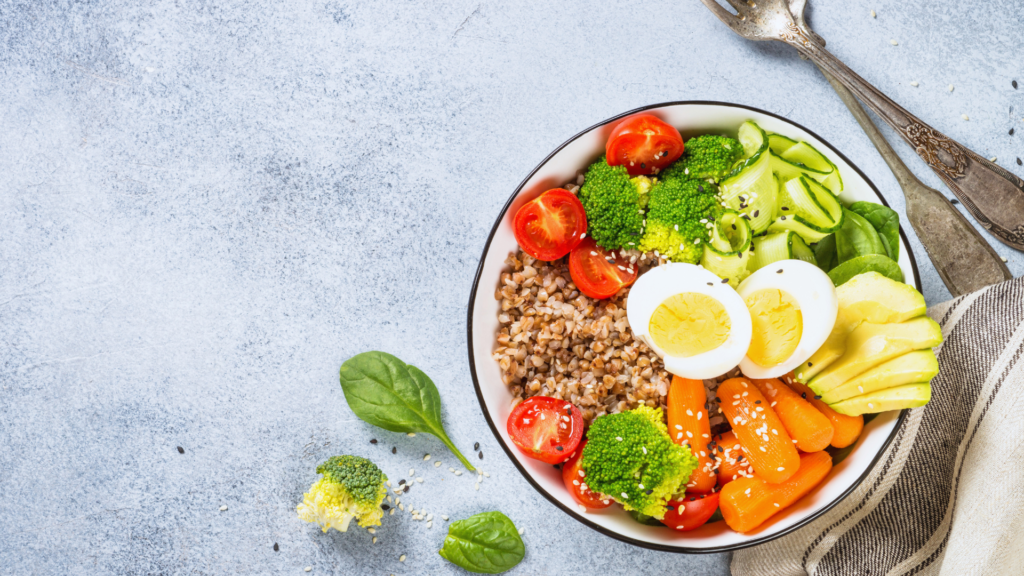
Making healthy eating visually inspiring is a practical way to encourage better food choices and enjoyment. Using colour, arrangement, and simple presentation techniques can transform nutritious meals into attractive dishes that appeal to the eye and stimulate the appetite. This approach helps break the stereotype that healthy food is bland or dull.
Visual appeal can be enhanced by incorporating a variety of colourful vegetables and fruits, using creative plating, and even turning meals into playful shapes or patterns. These methods not only increase interest but also make balanced eating feel more approachable and enjoyable for all ages.
For those looking to improve their diet without drastic changes, focusing on how food looks provides motivation to try new ingredients and flavours. Encouraging appealing meals supports sustained healthy habits through visually engaging and appetising presentations.
The Importance of Visual Appeal in Healthy Eating
Visual elements significantly impact food choices and enjoyment. Colour, presentation, and psychological effects shape how individuals perceive and engage with healthy meals. These factors influence appetite, decision-making, and overall satisfaction.
How Colour Influences Appetite
Colour affects appetite by triggering specific physiological and emotional responses. Warm colours like red, orange, and yellow can increase hunger and create a sense of excitement. In contrast, cooler colours such as blue and green often suppress appetite or evoke calmness.
Using vibrant, contrasting colours in healthy meals can enhance their appeal. For example, a salad with bright red tomatoes, orange carrots, and green leaves looks more inviting and signals freshness. This visual contrast also helps highlight the nutritional variety of the dish.
Designers and chefs often choose ingredients with natural, appealing colours to stimulate interest without relying on artificial additives. Colour balance in a dish encourages healthier choices and promotes a varied diet.
The Role of Presentation in Food Choices
Presentation shapes how food is perceived before consumption. Neat arrangement, symmetry, and portion size contribute to a positive eating experience. People tend to prefer food that looks organised and thoughtfully prepared.
Simple techniques can improve presentation, such as layering ingredients, using clean plates, and adding garnishes. These methods showcase textures and create depth, making healthy foods more attractive. Small details, like a drizzle of sauce or careful plating, can increase willingness to try unfamiliar foods.
Proper portioning also influences perception. Balanced portions suggest moderation and can prevent overeating, reinforcing healthy habits. Clear visual cues help guide portion control and nutritional balance.
Psychological Benefits of Attractive Meals
Visually appealing meals can improve mood and reduce stress related to eating. Attractive food creates a positive emotional response that encourages mindful eating and greater satisfaction. This psychological benefit supports better digestion and nutrient absorption.
People who enjoy the look of their meals are more likely to maintain healthy eating over time. The pleasure from appearance can reduce reliance on less nutritious comfort foods.
Visual appeal also fosters social connection by making shared meals more enjoyable. Well-presented food often encourages conversation and appreciation, enhancing the overall dining experience.
Key Principles for Making Healthy Meals Visually Inspiring
Creating visually appealing meals involves careful attention to ingredient selection, colour harmony, and the natural forms within the dish. These elements work together to engage the senses and encourage a positive eating experience.
Utilising Fresh, Vibrant Ingredients
Using fresh and brightly coloured ingredients is essential for visual appeal. Vegetables like red peppers, purple cabbage, and leafy greens provide bold colours that stand out on the plate. Fruits such as berries, citrus slices, and pomegranate seeds add natural brightness and contrast.
Freshness not only affects colour vibrancy but also texture and aroma, which enhance overall meal enjoyment. Choosing seasonal produce ensures peak flavour and nutritional value, contributing to both health and presentation.
Balancing Colours and Textures
A balance of complementary and contrasting colours makes a dish more engaging. Combining warm hues (oranges, reds) with cool tones (greens, purples) creates visual interest and appeal. Avoid dull or repetitive colour schemes that can reduce appetite.
Texture variety is equally important. Crunchy elements like nuts or roasted vegetables contrast well with creamy or soft components such as avocado or yoghurt. This mix heightens sensory pleasure and adds depth to the meal.
Emphasising Natural Shapes and Patterns
Highlighting the natural shapes of ingredients adds artistic value to meals. Slices, wedges, spirals, or whole pieces define structure and make plates more inviting. For example, arranging vegetable slices around a central protein creates a symmetrical pattern that draws the eye.
Patterns formed from repeated shapes or colours help organise the plate visually. Using small garnishes like herbs or seeds can break monotony and emphasise these natural designs without overwhelming the dish.
Easy Plating Techniques for Everyday Inspiration
Healthy eating becomes more inviting when meals are presented thoughtfully. Paying attention to arrangement, texture, and dishware can highlight ingredients and create visual appeal without extra effort.
Simple Arrangements for Maximum Impact
Plating with clear, uncluttered layouts emphasises the dish’s components. Position main items slightly off-centre to create balance and use negative space to avoid overcrowding. Placing proteins, vegetables, and grains in distinct sections helps distinguish flavours and colours.
Colour contrast is essential. Pair vibrant vegetables with neutral bases to draw the eye. For example, orange carrots next to white rice make the plate more appealing. Garnishes, such as fresh herbs or a sprinkle of seeds, add small pops of colour and freshness without overwhelming the dish.
Layering and Stacking for Texture
Stacking components adds dimension and interest. Layer ingredients like grilled vegetables or salad greens to build height, making the plate look more dynamic. This method also highlights different textures, such as crispy, soft, or crunchy elements.
When stacking, maintain stability by placing heavier items at the base. Use a ring mould or shape ingredients with spoons to keep layers tidy. This technique works well for grain bowls, where layering colourful vegetables, proteins, and grains creates an appetising contrast.
Using Bowls and Plates Creatively
Choosing the right plate or bowl influences presentation. Shallow bowls are excellent for layered dishes as they contain components neatly while showing off textures. Wide plates allow for spreading ingredients and emphasising negative space.
Using contrasting colours or unusual shapes can make meals stand out. For instance, a dark plate makes bright ingredients pop, while asymmetrical or square plates invite creative arrangements. Simple changes in dishware encourage a fresh perspective on everyday meals.
Creative Use of Garnishes and Edible Decorations
Using garnishes and edible decorations transforms simple healthy dishes into stimulating visual experiences. Strategic colour contrasts, intricate vegetable cuts, and delicate floral accents elevate meals without adding calories or complexity.
Herbs and Seeds for Colour Contrast
Fresh herbs like parsley, basil, and coriander offer vibrant green hues that brighten plates immediately. Their natural shapes and textures provide visual interest while contributing fresh aromas.
Seeds such as sesame, pumpkin, and chia add subtle colour spots. Toasted seeds introduce a slight crunch and nutty flavour, enhancing both look and taste. Sprinkling a mix of black and white sesame seeds creates a striking monochrome contrast on lighter dishes.
Using herbs and seeds together not only improves presentation but also boosts nutritional content. These small additions make plates inviting and demonstrate attention to detail.
Fruit and Vegetable Art
Cutting fruits and vegetables into decorative shapes is an accessible way to add artistic flair. Techniques include slicing thin ribbons, carving flowers, and creating geometric shapes like stars or spirals.
Brightly coloured vegetables—carrots, radishes, beets—and fruits such as kiwi or pomegranate seeds bring natural vibrancy. For example, celery bottoms carved into flower shapes serve as attractive edible bases for appetisers.
Arranging these pieces thoughtfully around a plate or atop dishes enhances texture variety and visual balance. This approach makes healthy eating more engaging, especially for children or those resistant to plain veggies.
Edible Flowers as Accents
Edible flowers like nasturtiums, pansies, and marigolds introduce unique colour and delicate form. Their bright petals range from deep purples to fiery oranges, providing a softer contrast than herbs or fruits.
Flowers can be scattered on salads, desserts, or drinks for a subtle decorative touch. They usually carry mild flavours—peppery or sweet—that complement dishes rather than overpower them.
Handling edible flowers requires care to ensure freshness and food safety. When sourced correctly, they become elegant, eye-catching additions that highlight the natural beauty of healthy meals.
Planning Visually Diverse Weekly Menus
Creating a weekly menu that is visually diverse engages the senses and encourages healthier eating habits. Variety in colours, textures, and flavours can make meals more appealing, while thoughtful ingredient choices improve nutritional value.
Mixing Cuisines and Styles
Introducing different cuisines into weekly menus broadens flavour profiles and adds visual interest. For example, combining Mediterranean dishes with Asian stir-fries or Latin American bowls offers a colourful range of ingredients, such as vibrant peppers, leafy greens, and colourful spices.
Using varied cooking styles—such as roasting, steaming, and grilling—also changes textures and appearance. Roasted vegetables develop caramelised hues, while steamed greens retain their bright colour. This variety helps prevent monotony and keeps meals enticing.
A simple tip is to assign a cuisine or cooking style theme to each day of the week. This structure adds excitement and ensures a balance of nutrients from diverse sources.
Incorporating Seasonal Produce
Focusing menus around seasonal produce guarantees fresh, vibrant ingredients that maximise both taste and nutrition. Seasonal fruits and vegetables tend to be more colourful and flavourful. For example, autumn offers butternut squash, purple Brussels sprouts, and ruby-red apples.
Seasonal colours can be mixed in salads, soups, and mains to create visually stimulating plates. A bowl with orange squash, deep green kale, and yellow peppers delivers a striking contrast that appeals visually and nutritionally.
Planning menus by season also supports local agriculture and can be more cost-effective. Highlighting seasonal items in meal plans helps to ensure freshness and maintains consumer interest throughout the year.
Involving Family and Friends in Presentation
Involving others in meal presentation creates a more engaging and positive atmosphere around healthy eating. It encourages creativity and teamwork, making meals more enjoyable and fostering better eating habits.
Encouraging Children’s Creativity with Food
Children respond well to visually appealing meals that they have helped create. Using food art techniques, such as shaping vegetables into animals or colourful patterns, makes trying new foods less intimidating and more fun.
Parents can provide simple tools like cookie cutters or colourful plates to spark creativity. Encouraging kids to pick ingredients and arrange them builds curiosity and a stronger connection to healthy foods.
This playful approach helps children explore textures and flavours. It supports positive attitudes towards nutrition, making healthy eating a natural choice rather than a chore.
Collaborative Meal Preparation
Preparing meals as a group strengthens family bonds and increases appreciation for nutritious food. When family or friends cook together, everyone shares responsibility for choosing and presenting ingredients.
This practice helps break habits of relying on fast food and promotes mindful eating. Each person’s input in arranging dishes or selecting fresh, colourful produce can enhance visual appeal and nutritional balance.
Simple steps include assigning tasks like washing, chopping, or plating. Collaborative meals teach valuable skills and make the experience social rather than simply functional.
Capturing and Sharing Healthy Meal Inspiration
Visual appeal plays a significant role in motivating people to try healthy meals. Effective photography highlights the colours, textures, and freshness of ingredients, while sharing images on social media provides motivation and ideas within a supportive community.
Tips for Photographing Attractive Dishes
Good lighting is crucial. Natural light from a window works best, avoiding harsh shadows or direct sunlight that can distort colours. Position the dish so the light hits it at an angle, emphasising texture and vibrancy.
Use simple backgrounds and minimal props to keep the focus on the food. Neutral tones or wooden surfaces can complement most dishes without distraction. Composition matters: try overhead shots for flat lays or a 45-degree angle for depth.
Colour contrast enhances visual interest. Place bright vegetables next to more neutral elements, and use fresh garnishes like herbs for a pop of green. Avoid overcrowding the plate; leave some negative space to make the dish more inviting.
Using Social Media for Motivation
Social media platforms offer a dynamic way to inspire healthy eating. Sharing photos of balanced meals encourages accountability and builds a network of people who exchange ideas and tips.
Captions that include ingredients, cooking methods, or nutritional benefits provide additional value. Hashtags related to healthy eating increase visibility and connect posts to trending topics.
Regular posting cultivates a routine, making meal planning feel more engaging. Stories and reels showing meal preparation can motivate others by demonstrating that healthy cooking is achievable and enjoyable.
Sustaining Motivation to Eat Healthily Through Visual Appeal
Visual appeal plays a key role in maintaining motivation for healthy eating. When meals look attractive, individuals are more likely to feel excited about their food choices. This anticipation can encourage better consistency in sticking to a balanced diet.
Using colourful plates, fresh ingredients, and varied textures makes food more inviting. Bright, vibrant colours not only enhance the appeal but also signal nutritional variety, which promotes a well-rounded diet.
Visual tools like meal planners, food journals, or photos of completed meals help maintain awareness. By tracking and reflecting on what they eat, individuals build a stronger connection with their dietary goals.
A simple list summarises effective visual motivators:
- Present food with appealing colours and textures
- Use photos or journals to track progress
- Incorporate creative plating to make meals enjoyable
Social media and online platforms also boost motivation through engaging visuals and challenges. These visuals can inspire new ideas and reinforce positive eating habits by making nutrition feel accessible, not a chore.
Ultimately, sustaining motivation depends on making healthy eating visually rewarding and interactive. This approach helps transform healthy choices into enjoyable routines rather than obligations.