
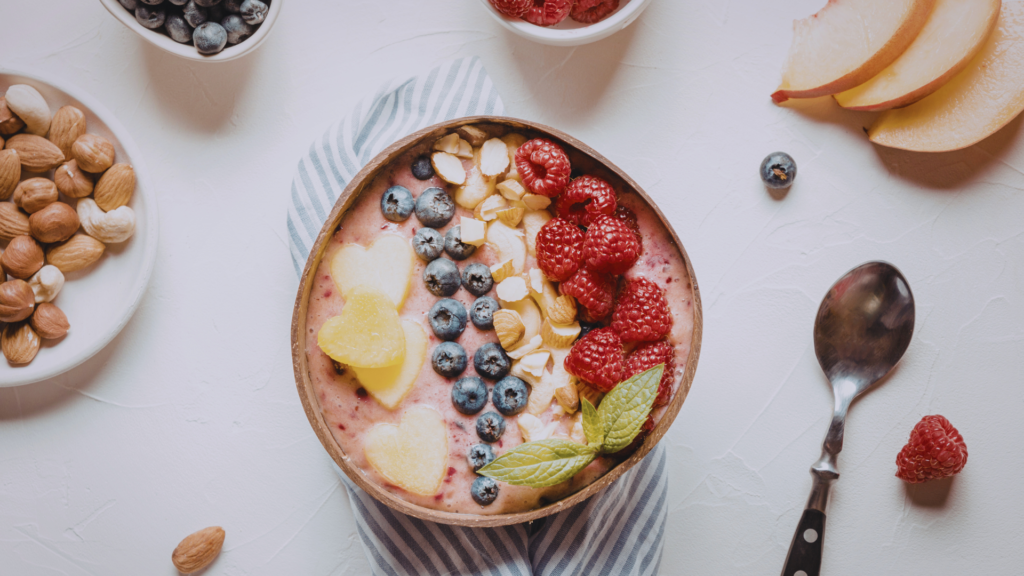
Colourful smoothie bowls offer a simple, nutritious way to start the day or enjoy a refreshing snack. They combine vibrant fruits, vegetables, and superfoods, creating a visually appealing and flavourful meal that is easy to prepare. The variety of ingredients allows for endless customisation, suiting different tastes and dietary needs.
Making colourful smoothie bowls simply involves using just a few fresh, wholesome ingredients and basic kitchen tools to blend and assemble. By focusing on nutrient-dense fruits and vegetables, it becomes quick to create bowls that are both satisfying and visually striking. This approach encourages experimenting with flavours and textures without complexity.
With straightforward techniques and accessible ingredients, anyone can create balanced smoothie bowls that provide essential vitamins, minerals, and antioxidants. These bowls are practical for health-conscious individuals seeking a convenient yet enjoyable option.
What Are Colourful Smoothie Bowls?
Colourful smoothie bowls combine vibrant fruits, vegetables, and superfoods into thick, spoonable mixtures. They offer more than just taste, bringing together visual appeal and health benefits in one meal. These bowls are versatile and can be tailored to different nutritional needs and flavour preferences.
Defining Smoothie Bowls
A smoothie bowl is a thick smoothie served in a bowl rather than a glass, designed to be eaten with a spoon. It typically contains blended fruits or vegetables, often mixed with liquids like plant-based milk or yoghurt to achieve a creamy consistency.
The base is thicker than a regular smoothie to support toppings such as sliced fruit, nuts, seeds, and granola. These toppings add texture and enhance the overall eating experience. Smoothie bowls are commonly consumed for breakfast or as a healthy snack.
Health Benefits of Colourful Ingredients
The vibrant colours in smoothie bowls usually come from nutrient-rich fruits and vegetables. For example, purple hues often indicate anthocyanins with antioxidant properties, while orange and yellow tones signal beta-carotene content.
These pigments reflect a variety of vitamins, minerals, and antioxidants that support immune function, skin health, and energy metabolism. Including diverse colours increases the range of nutrients consumed, contributing to a balanced diet.
Additionally, toppings like nuts and seeds add healthy fats and protein, making smoothie bowls more filling and nutritionally complete.
Visual Appeal and Nutritional Value
Colourful smoothie bowls are visually striking, encouraging mindful eating. Their brightness often correlates with nutrient density, making them both attractive and nutritious.
The combination of colours can make a meal more appealing, especially for those who find it challenging to consume enough fruits and vegetables. Presentation can include patterns or layering that enhance the eating experience.
Nutritional value depends on ingredient choice and portion sizes. Using whole foods and avoiding added sugars ensures the bowl remains a healthy option.
Essential Ingredients for Vibrant Smoothie Bowls
Achieving a colourful and nutritious smoothie bowl depends on selecting the right fruits, bases, and superfood additions. Each element contributes natural colour, texture, and health benefits, creating a balanced and appealing meal. Understanding these core ingredients helps to craft bowls that are both visually striking and nourishing.
Best Fruits for Natural Colours
Fruits provide the primary source of natural colour in smoothie bowls. Berries such as blueberries, raspberries, and strawberries offer vibrant blues, reds, and pinks. These fruits also contain antioxidants and vitamins that enhance nutrition.
Mango and pineapple bring bright yellow and orange hues while adding natural sweetness. Banana is often used for creaminess but has a subtle colour, blending well with more vibrant fruit.
Beetroot powder or chunks can introduce rich purples and reds without artificial dyes. Avocado adds green tones and healthy fats, which also improve the creamy texture.
Using a mix of these fruits allows for varied, intense colours without added colours or flavours.
Dairy and Non-Dairy Base Options
The base of a smoothie bowl determines texture and flavour depth. Dairy options include Greek yoghurt, which is thick and creamy, providing protein and a slightly tangy taste.
Non-dairy bases cater to vegans or those with lactose intolerance. Popular choices include coconut yoghurt, almond milk, oat milk, and soy yoghurt. These options tend to be lighter but can be thickened with frozen fruit or chia seeds.
Choosing unsweetened or plain varieties avoids unnecessary sugars and keeps the bowl healthy. The base should complement fruit flavours without overpowering them.
Superfood Additions
Superfood powders and seeds enhance both colour and nutrition in smoothie bowls. Spirulina and matcha powders provide vibrant green shades along with antioxidants.
Acai powder contributes deep purple tones and a boost of fibre and vitamins. Chia seeds, flaxseeds, and hemp seeds add texture, omega-3 fatty acids, and protein.
Natural pigmented powders like beetroot and turmeric offer intense colour while supporting health with anti-inflammatory and detoxifying properties.
These additions create a nutrient-dense bowl full of varied textures and visually appealing layers.
Simple Steps to Create a Colourful Smoothie Bowl
Creating a vibrant smoothie bowl involves careful ingredient preparation, blending to the right texture, and visually appealing layering. Each step ensures the final bowl is both nutritious and inviting, combining flavour, colour, and texture with minimal effort.
Preparation Techniques
The key to a colourful smoothie bowl starts with selecting fresh, nutrient-rich ingredients. Frozen fruits like berries, mango, pineapple, and spinach provide vibrant natural colours and maintain thickness when blended. Fresh fruits, such as kiwi or banana, add creaminess and sweetness.
Chopping ingredients into similar sizes helps the blender work efficiently. Measuring liquids accurately—using coconut water, oat milk, or plant-based milk—controls consistency from the start. Preparing toppings in advance, including granola, nuts, seeds, and shredded coconut, provides texture contrast and visual appeal.
Washing fruits thoroughly and removing any seeds or skins that may affect texture is important for a smooth blend.
Blending for Creamy Consistency
Blending time and technique determine the smoothie’s thickness, which sets smoothie bowls apart from regular smoothies. Start by adding frozen fruits and a small amount of liquid to the blender. This foundation creates a thick base that supports toppings.
Use pulses initially to combine ingredients before blending continuously. If the mixture becomes too thin, add more frozen fruit or a spoonful of nut butter to thicken it naturally.
Avoid overblending to maintain some texture while achieving creaminess. The mixture should be thick enough to hold a spoon upright without sinking.
Adjust liquid quantity gradually to strike a balance between blendability and bowl-like consistency.
Layering and Serving
Presentation enhances the smoothie bowl experience. Pour the blended base evenly into a wide, shallow bowl to reveal the vibrant colours clearly.
Arrange toppings artistically, using a combination of textures such as crunchy granola, soft fruit slices, and crisp seeds. Group toppings in sections or swirl them lightly for appealing patterns.
Choose toppings that contrast in colour with the base, such as bright berries on a green spinach base, to make the bowl visually striking.
Serve immediately to preserve freshness, texture, and temperature. Using wide spoons allows for mixing flavours bite by bite.
Top Toppings to Enhance Colour and Flavour
Vibrant colours and varied textures greatly improve the appeal and taste of smoothie bowls. Combining natural ingredients like seeds, granola, and fresh fruits provides both visual interest and a balance of flavours.
Edible Flowers and Seeds
Edible flowers add delicate hues and subtle flavours to smoothie bowls. Popular choices include pansies, violets, and marigolds, which offer colours from purple to bright yellow. These flowers also contribute a mild floral note without overpowering other ingredients.
Seeds bring texture and nutrition. Chia seeds add tiny black specks with a slight crunch and a neutral taste, while pumpkin and sunflower seeds introduce a nutty flavour and more substantial bite. A sprinkle of flaxseeds provides omega-3 fatty acids and a mild earthiness.
Using flowers and seeds together gives a balance of softness, crunch, and freshness while intensifying the bowl’s colours naturally.
Crunchy Granola Varieties
Granola is a popular topping that adds crunch and sweetness. There are many types: nutty granolas with almonds or walnuts, honey-coated ones for a caramel note, and those with dried fruits like raisins or cranberries for bursts of tartness.
Varieties with toasted oats and puffed quinoa add complex textures. Choosing granolas with a mix of grains and seeds ensures both flavour depth and a pleasing crunch.
For colour, granolas with visible nuts and dried fruit enhance the bowl’s visual appeal. The golden browns and reds contrast well with the smooth base, elevating the overall eating experience.
Fresh Fruit Garnishes
Fresh fruit is essential for vibrant colour and natural sweetness. Bright berries such as raspberries, blueberries, and strawberries offer bold reds and blues that pop against pale smoothie bases.
Sliced mango or kiwi adds tropical yellow and green tones with juicy, fresh flavours. Banana slices bring a creamy texture and mild sweetness to balance sharper fruit.
Using a combination of fruits ensures a variety of textures—soft, juicy, and firm—while layering colour effectively. Arranging fruit in patterns or sections can make the smoothie bowl visually striking as well as tasty.
Creative Colour Combinations for Every Season
Vibrant smoothie bowls can be tailored to reflect the best of each season through careful ingredient choices. Seasonal fruits and vegetables offer natural colour palettes that not only appeal visually but also enhance flavour and nutrition.
Spring and Summer Inspiration
Spring and summer favour bright, fresh colours from fruits like mango, pineapple, berries, and kiwi. Yellow and orange hues from mango and pineapple provide a sunny base.
Berries add rich reds and blues, creating contrast when layered or swirled. Kiwi contributes a vivid green tone, balancing warm shades.
For toppings, consider sliced peaches, coconut flakes, and granola to add texture and visual interest. These ingredients highlight freshness and deliver a light, refreshing bowl perfect for warmer weather.
Autumn and Winter Ingredients
Darker, earthier colours dominate in autumn and winter smoothie bowls. Ingredients like pumpkin, beetroot, and plums introduce deep oranges, purples, and reds.
Root vegetables and winter fruits provide a richer flavour profile. Spices such as cinnamon or nutmeg often complement these colours and tastes effectively.
Consider using nuts and seeds as toppings to enhance texture and provide seasonal crunch. These combinations offer a more filling, warming option suited to cooler months.
Tips for Photographing Beautiful Smoothie Bowls
Capturing a smoothie bowl well requires attention to detail in lighting and composition, as well as techniques to enhance colour contrast. These elements work together to highlight the bowl’s textures, colours, and freshness effectively.
Lighting and Composition
Natural light is essential for clear, vibrant images. Position the bowl near a bright window, but avoid direct sunlight to prevent harsh shadows and overexposure. Diffused daylight creates soft, even lighting that enhances the natural colours and texture.
Composition matters as much as lighting. Use the rule of thirds to position the bowl slightly off-centre, making the composition more dynamic. Overhead shots work well to capture the arrangement of toppings clearly, while side angles can emphasise texture and layers.
Keep the background simple and uncluttered to focus attention on the bowl. Props like neutral-coloured napkins, wooden boards, or simple spoons add subtle interest without distraction.
Boosting Colour Contrast
Contrast between colours makes the smoothie bowl visually striking. Combine ingredients with vastly different hues, such as bright blueberries against creamy banana slices or vivid green spinach alongside red strawberries.
Layering colours helps too. Blend fruits separately to create distinct colours, then pour one over the other carefully. This creates defined stripes or zones in the bowl, increasing visual appeal.
Use toppings strategically. Arrange colourful fruits, seeds, or edible flowers in patterns or clusters that complement the base colours. This creates a balanced, lively look that photographs well.
Avoid colours that blend together, which cause the photo to appear flat. Instead, aim for vibrant, contrasting colours to give the image depth and interest.
Common Mistakes to Avoid When Making Smoothie Bowls
One frequent mistake is using ice cubes to achieve creaminess. Ice can water down the texture and flavour, resulting in a less satisfying bowl. Instead, frozen fruits like bananas or berries create a naturally thick and creamy base.
Another issue is including underripe bananas or watery fruits, which can make the blend thin or sour. Using ripe, frozen fruits improves taste and consistency.
Overloading the bowl with too many ingredients at once can overwhelm flavours and textures. Sticking to a simple base with a few toppings is more effective.
Ignoring nutritious add-ins like seeds or nut butters reduces the health benefits. Ingredients such as chia seeds, flax seeds, or peanut butter add healthy fats, fibre, and omega-3 fatty acids.
Poor topping choices can lessen the meal’s balance. For a high-protein bowl, it’s better to select toppings like hemp seeds, pumpkin seeds, or almonds, matching the smoothie base.
Here’s a quick checklist of common errors:
| Mistake | Effect | Better Approach |
| Using ice cubes | Watery texture | Use frozen fruit |
| Underripe bananas or watery fruits | Thin or sour results | Choose ripe or frozen fruits |
| Using too many ingredients | Overwhelming flavour | Keep it simple |
| Skipping nutritious add-ins | Less nutritional value | Add seeds, nuts, or nut butter |
| Poor topping choices | Imbalanced nutrients and taste | Match toppings to base |
Expert Advice for Balancing Flavour and Nutrition
Achieving the right balance between flavour and nutrition in smoothie bowls requires a thoughtful approach. A good starting point is to pair complementary tastes, such as sweet and tart, to create depth without overwhelming the palate.
The base should offer creaminess and mild sweetness. Using frozen fruits like bananas or mangoes helps achieve that texture without adding excess water. This approach preserves the bowl’s vibrant colour and thick consistency.
Incorporating a mix of nutritious toppings is essential. Choose a variety of textures and nutritional benefits by including:
- Seeds (chia, flax): rich in omega-3 and fibre
- Nuts (almonds, walnuts): provide healthy fats and protein
- Fresh fruit: adds vitamins and natural sweetness
- Superfoods (goji berries, cacao nibs): boost antioxidants and flavour
Balancing macronutrients is also important. Adding a protein source, such as Greek yoghurt or plant-based alternatives, supports satiety and muscle repair.
Avoid overloading the bowl with sugary ingredients. Natural sweetness from fruit is usually sufficient, while a small amount of honey or maple syrup can be added if necessary.
Experimenting with flavour combinations helps find personal preferences and keeps the experience enjoyable. Keeping toppings visually colourful aids in appeal and encourages variety.
The key is to create a bowl that is both satisfying and nourishing, without compromising taste or texture.