
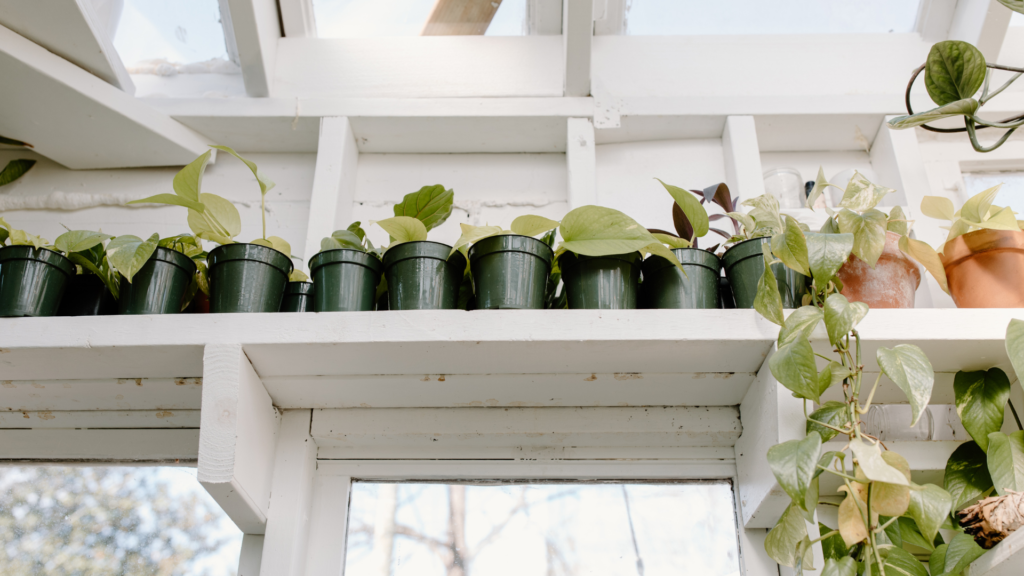
For those seeking to create a thriving garden without the burden of extensive upkeep, low-maintenance plants are the solution. These hardy plants not only add beauty to any garden design but also significantly reduce the time and effort needed for care. Individuals can enjoy a lush landscape that flourishes year after year with minimal intervention.
Low-maintenance gardens appeal to both novice gardeners and seasoned enthusiasts looking to simplify their planting choices. By selecting resilient plants, it becomes easy to achieve a vibrant outdoor space that offers colour and texture while still being manageable. Embracing these choices allows for a more relaxed gardening experience.
Exploring the range of low-maintenance options available can inspire creativity in garden design. From drought-resistant succulents to perennial flowers, the right selection ensures the garden remains visually appealing with little fuss. With these plants, gardening can be an enjoyable activity rather than a time-consuming chore.
Selecting the Right Plants
Choosing the right plants can significantly reduce the maintenance required for a garden. Focusing on plants that thrive in specific conditions enhances both aesthetic appeal and sustainability.
Perennials and Shrubs
Perennial plants and shrubs are foundational in low-maintenance gardens. They provide long-lasting beauty and generally require less care once established.
Popular choices include:
- Lavender: Prefers well-drained soil and is drought-tolerant.
- Hydrangea: Offers vibrant blooms and can adapt to various soil types, benefiting from regular pruning.
- Coneflower (Echinacea): Known for its resilience, it thrives in poor soil and attracts pollinators.
In addition, shrubs like Spirea and Lilac add structure and can tolerate different light conditions. Hardy options such as Holly and Pieris ensure evergreen interest throughout the seasons.
Ground Covers and Grasses
Ground covers are effective for controlling weeds and providing greenery with minimal effort. Choices like Creeping Jenny and Ivy spread easily, covering bare soil to prevent erosion. For homeowners in warm climates who are balancing turf with low-maintenance plantings, following specific St Augustine sod maintenance tips can be invaluable for establishing proper watering schedules, soil preparation, and mowing practices that keep both sod and surrounding ground covers healthy and resilient.
Ornamental grasses such as Miscanthus or Calamagrostis add texture and require little care once established. They thrive in a variety of soils and can withstand drought conditions.
Alternatively, Hardy Geraniums provide attractive blooms that can fill gaps between larger plants. These resilient plants often work well in both sunny and shaded areas, enhancing the garden’s visual appeal.
Drought-Tolerant Varieties
In regions where water conservation is essential, drought-tolerant plants are ideal. Sedum and Yucca are excellent choices, thriving in poor, dry soils while providing unique shapes and colours.
Lavandula (Lavender) is another drought-resistant option that combines beauty with resilience, making it an excellent addition to any garden.
Russian Sage stands out for its tall, architectural form, adding height and interest. Plants like Alliums and Daffodils offer seasonal colour with minimal upkeep.
Including these varieties ensures a vibrant garden that requires less irrigation, allowing for a more sustainable approach to gardening.
Cultivation and Care
Caring for low-maintenance plants involves understanding their specific needs regarding soil, watering, propagation, and seasonal upkeep. By adhering to these guidelines, gardeners can ensure healthy growth with minimal effort.
Soil and Watering
Low-maintenance plants, such as Russian sage and Laurier rose, thrive in well-drained soil. Adding organic matter like compost can improve soil structure and fertility.
Watering should be tailored to the plant’s specific needs. For instance, snowdrops prefer moist conditions, while many evergreen shrubs require less frequent watering once established.
A simple rule is to water deeply but infrequently, encouraging deep-root development. During drier spells, checking the soil moisture helps avoid overwatering or drought stress.
Moreover, for gardens requiring more consistent moisture, especially during warmer months, a sprinkler system can support healthy plant growth by providing even water coverage.
Propagation and Pruning
Propagation techniques vary among low-maintenance plants. For instance, perennial wallflowers can be divided every few years, while buxus can be easily propagated through cuttings.
Pruning is essential for maintaining shape and health. For evergreens, light pruning helps maintain density, while pruning perennial flowers like camellia encourages blooming.
The best time to prune is typically in late winter or early spring before new growth begins. Regularly removing dead or yellowing leaves also promotes better airflow and reduces disease risk.
Seasonal Maintenance
Seasonal maintenance tasks are essential for keeping low-maintenance plants healthy and thriving year-round. In spring, mulching helps retain soil moisture, regulate temperature, and suppress weed growth, benefiting plants such as laurier rose and Russian sage. Spring is also a good time to assess the landscape for old or unwanted tree stumps. Stump Grinding helps remove these obstacles, prevents unwanted regrowth, improves soil quality, and creates more usable space for new plants or garden features.
Beyond just stump removal, comprehensive tree care is vital for maintaining the long-term health and aesthetic appeal of any garden, especially in residential areas where large trees can pose risks if not properly managed. Expert services ensure that trees are pruned correctly to promote growth and prevent disease, while also addressing potential hazards like weak branches or root issues. For homeowners in coastal communities, understanding the specific needs of local tree species and the impact of environmental factors is crucial. Engaging professionals for tasks like tree trimming, removal, or even emergency services ensures safety and preserves the beauty of your landscape. For those seeking reliable and expert Tree Services Redondo Beach, local specialists can provide tailored solutions to keep your outdoor spaces thriving and secure.
During summer, checking for pests, particularly aphids, can prevent infestations that attract butterflies but may harm the plants.
In autumn, cutting back spent perennial flowers prepares them for dormancy. Winterising strategies, such as covering delicate plants, can protect them from harsh conditions. Regular observation throughout the seasons ensures that plants remain healthy with minimal intervention.
Designing Your Low-Maintenance Garden
Creating a low-maintenance garden involves strategic choices in layout and plant selection. Focusing on hardy and drought-tolerant species can enhance outdoor spaces while minimizing upkeep.
Garden Layout and Aesthetics
A well-planned garden layout contributes significantly to its maintenance. Consider utilising ground cover plants like creeping thyme or sedum, which can suppress weeds and reduce the need for manual weeding.
Incorporate ornamental grasses for texture and movement without requiring much care. Grouping plants with similar water needs ensures effective irrigation, further decreasing maintenance time.
Evergreen shrubs provide year-round interest and structure. Selecting plants that have received the RHS Award of Garden Merit ensures reliability and longevity in the garden.
Using a variety of heights and colours can create visual interest without increasing maintenance. Simple pathways or borders can help define areas and allow access without disturbing plants.
Sustainable Practices
Implementing sustainable practices in garden design can enhance its low-maintenance qualities. Using drought-tolerant plants reduces the need for frequent watering. These species, such as succulents and certain perennials, thrive in arid conditions.
Encouraging biodiversity attracts beneficial insects and birds. Planting a mix of native species supports the local ecosystem and can lead to a more resilient garden.
Consider employing mulch to retain moisture, suppress weeds, and improve soil quality.
Composting garden waste adds nutrients back into the soil, promoting healthy plant growth and reducing reliance on chemical fertilisers. Emphasising these practices can ease the burden of garden upkeep while promoting a thriving ecosystem.
Long-Term Garden Care Considerations
As gardens become healthier and more vibrant, they may also attract insects and other wildlife seeking food or shelter.
While this often indicates a flourishing ecosystem, certain flowers, dense foliage, and sweet-scented plants could unintentionally encourage nesting or swarming activity.
And if any unusual insect behaviour is noticed, addressing it promptly with professional assistance helps maintain both safety and comfort. For example, a beehive close to the garden can pose risks, particularly for children or pets.
In such cases, contacting a reliable bee swarm removal service ensures the situation is handled safely and responsibly, without disrupting the surrounding ecosystem. Ultimately, this proactive approach tends to preserve both the garden’s beauty and its low-maintenance appeal.
Conclusion
Incorporating low-maintenance plants and thoughtful design choices allows any garden to remain both beautiful and manageable. With the right balance of resilience, sustainability, and long-term care, outdoor spaces can thrive with minimal effort.