
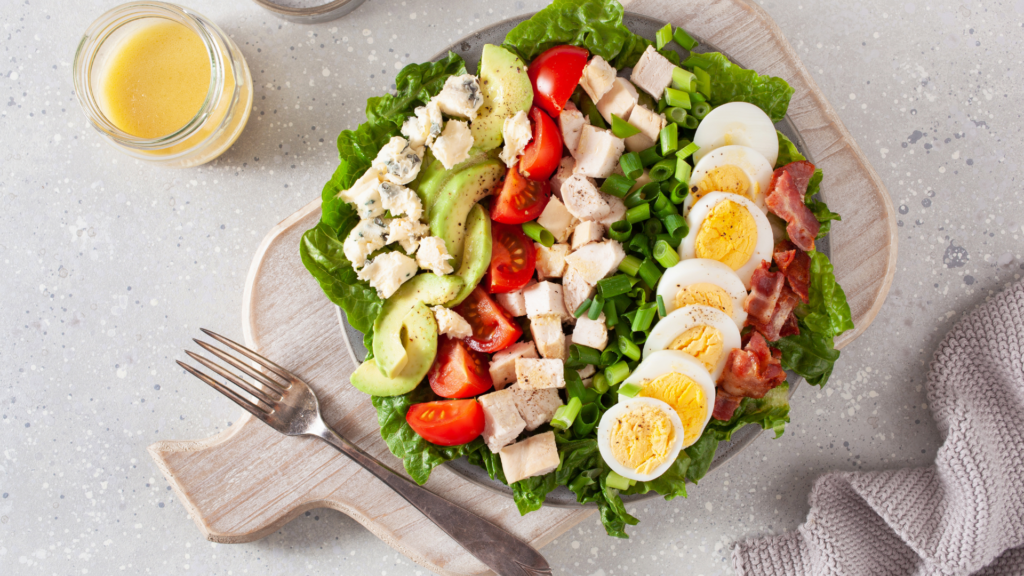
For those seeking to enjoy satisfying meals without the carbs, low-carb recipes offer a fantastic solution. These recipes demonstrate how to create delicious and nutritious dishes that fit seamlessly into a low-carb diet, making healthy food accessible and enjoyable. Whether looking to shed a few pounds or simply maintain a balanced diet, exploring these recipes can inspire a lifestyle change.
Many individuals find that low-carb cooking can be both inventive and rewarding. From zoodles to cauliflower rice, the variety of ingredients allows for creativity while adhering to dietary goals. Simple substitutions can transform familiar meals into healthy alternatives without sacrificing flavour.
This collection of low-carb recipes provides options for any palate, proving that healthy food can indeed be delicious. Readers will discover meals that are easy to prepare and packed with nutrients, encouraging a positive approach to eating well while enjoying every bite.
Essential Ingredients for Low-Carb Cooking
When it comes to low-carb cooking, the choice of ingredients is crucial for flavour and nutrition. A focus on protein sources, low-carb vegetables, suitable flour, and healthy fats will enhance dishes while keeping carbohydrate levels in check.
Protein Sources
Protein forms the backbone of low-carb meals. Ideal choices include chicken breast, turkey, and fish, which are rich in essential nutrients and versatile for various recipes.
Pork is another great option, known for its robust flavours. Lean cuts can be prepared in numerous ways, from roasting to grilling.
Proteins should be the primary component on the plate, as they promote satiety while maintaining energy. Adding eggs can also elevate dishes, serving as a base for omelettes or as an accompaniment.
Vegetables & Salads
Low-carb vegetables are essential for adding volume and nutrition without excess carbohydrates. Cauliflower is highly versatile, often mashed as a potato substitute or used to create rice.
Spinach, kale, and rocket (arugula) provide excellent nutrients and can form the basis of fresh salads. Other good choices include broccoli, which can be steamed or roasted, and asparagus, celebrated for its flavour and crunch.
Cucumbers and zucchini noodles offer refreshing options for salads or as substitutes for traditional pasta. Incorporating these vegetables ensures a variety of textures and flavours in meals.
Flours & Thickeners
Flours and thickeners play a crucial role in low-carb cooking, particularly in baking and sauces. Almond flour is a popular gluten-free alternative, perfect for creating baked goods without the carbohydrates found in traditional wheat flour.
Using almond flour can enhance the texture of pancakes, bread, and even cookies. For thickening sauces, options like xanthan gum or psyllium husk can prevent the need for high-carb alternatives.
These thickeners require minimal amounts to achieve the desired consistency, making them effective in maintaining low carbohydrate counts in dishes.
Fats & Oils
Healthy fats are integral in low-carb diets, serving both functional and flavour-enhancing roles. Olive oil and coconut oil are excellent for cooking and dressings, providing heart-healthy benefits.
Incorporating nuts, such as almonds and walnuts, adds crunch and extra protein. They’re also rich in healthy fats, making them ideal for snacking or as toppings for salads.
Using butter or ghee can enhance flavour in cooking, particularly when sautéing vegetables or proteins. These fats not only improve palatability but also contribute to a satisfying diet that keeps hunger at bay.
Meal-Specific Low-Carb Recipes
Low-carb diets can be delicious and satisfying across all meal types. From hearty breakfasts to indulgent desserts, here are several meal-specific low-carb recipes to consider.
Breakfast Options
For a nutritious start to the day, low-carb muffins made with almond flour and eggs make a perfect choice. They are easy to prepare and can be customised with berries or nuts for added flavour.
Another great option is a vegetable omelette. Spinach, mushrooms, and cheese create a flavourful mix while providing essential nutrients. Pair it with a side of avocado to add healthy fats.
Greek yoghurt topped with seeds offers a refreshing alternative, balancing protein with a hint of sweetness. This option is quick to assemble and works well for busy mornings.
Lunch Favourites
Salads can be transformed into satisfying low-carb lunches. A chicken Caesar salad with homemade dressing can be filling and flavourful. Using romaine lettuce, grilled chicken, and parmesan cheese ensures a hearty meal.
Zucchini noodles, or ‘zoodles’, are another excellent choice. Tossed with tomato sauce and meatballs, they create a comforting and low-carb pasta dish. It is a fun way to enjoy Italian flavours without the carbs.
For a quick lunch, lettuce wraps filled with turkey and avocado present a fresh and portable option. The crisp lettuce substitutes bread, keeping the carbohydrate count low.
Dinner Specialities
Low-carb dinner ideas can include grilled salmon served with sautéed spinach. This combination offers proteins and healthy fats. Season with lemon juice for added zest.
Another option is cauliflower rice stir-fry with assorted vegetables and tofu. This dish is versatile and can be tailored with various spices to suit different tastes. It provides a fulfilling base without the carbs.
Mashed cauliflower is a fantastic alternative to mashed potatoes. Creamy and buttery, it complements any protein, making for a comforting dinner option.
Brunch Delights
Brunch can include a spread of low-carb delights. Frittatas with assorted vegetables are perfect for sharing. They can be prepared ahead of time and served warm or cold.
Avocado toast on low-carb bread is another simple yet effective choice. The healthy fats from the avocado add richness and satisfaction while keeping carbs in check.
Egg muffins made with various fillings such as bacon, cheese, and peppers offer a portable brunch option. These can be made in batches and reheated as needed for convenience.
Desserts & Sweet Treats
Dessert does not need to be high in carbs. A popular option is chia seed pudding, made with almond milk and sweetened with a low-carb sweetener. It’s rich in fibre and can be flavoured with vanilla or cocoa.
For a warm treat, a low-carb chocolate mug cake can satisfy cravings quickly. It requires minimal ingredients and cooks in just a few minutes.
Incorporating berries into a low-carb dessert is also a delicious option. A berry compote served with whipped cream provides natural sweetness while keeping carbohydrates low.
Preparing Perfect Proteins and Sides
Focusing on the right techniques will help deliver perfectly cooked proteins and well-prepared vegetables. Simple methods can elevate both taste and presentation, making low-carb meals satisfying.
Cooking Meat to Perfection
Cooking meat requires attention to detail for optimal flavour and texture. For steak with mushroom cream, he should sear the steak on high heat for a perfect crust, then reduce the temperature to achieve the desired doneness. A meat thermometer can help; aim for 55-60°C for medium-rare.
Pork chops benefit from brining. A simple brine of water, salt, and sugar enhances moisture content and flavour. After brining, pat the chops dry, season, and sear them on high heat for a caramelised exterior.
For baked salmon, keep the skin on for extra flavour and moisture. Season simply with salt and pepper, placing in a preheated oven at 200°C for about 12-15 minutes. It should flake easily with a fork when done.
Vegetable Preparation Techniques
Vegetables like broccoli, spinach, and zucchini make excellent low-carb accompaniments. To maintain nutrients and flavour, roasting is effective. Drizzle vegetables with olive oil, sprinkle with salt, and roast at 200°C for 20-30 minutes until tender.
For a quick side, sauté spinach in a pan with garlic and a splash of lemon juice. This method retains its vibrant colour and nutrients.
Steaming is another excellent technique, especially for green beans or asparagus. It keeps vegetables crisp while enhancing their natural flavours.
In any preparation, season dishes with fresh herbs or a splash of cream sauce for added richness. These techniques ensure each bite is delicious and satisfying.
Advanced Low-Carb Cooking Techniques
Advanced low-carb cooking techniques involve creative methods for enhancing flavours and textures while staying within dietary guidelines. These techniques include making low-carb sauces and dressings, mastering baking and dessert recipes, and innovatively using leftovers.
Creating Low-Carb Sauces & Dressings
Homemade sauces and dressings can elevate low-carb dishes significantly. Using ingredients like olive oil, vinegar, and herbs, one can create flavourful vinaigrettes without sugar or starch.
For cream-based sauces, alternatives like coconut cream or cauliflower puree can provide satisfying textures. For example, blending roasted garlic with cauliflower can yield a creamy sauce perfect for drizzling over grilled meats.
Quick vinaigrette recipe:
- 3 tbsp olive oil
- 1 tbsp apple cider vinegar
- 1 tsp Dijon mustard
- Salt and pepper to taste
This combination can transform salads or roasted vegetables into gourmet dishes.
Baking and Dessert Mastery
Low-carb baking often relies on alternative flour and sweeteners. Almond flour and coconut flour serve as excellent substitutes for wheat flour, providing a nutty flavour and lower carbohydrate content.
For sweetening, erythritol and stevia are popular choices that do not spike blood sugar levels. They can be used in baked goods such as brownies or even low-carb cheesecakes.
A simple muffin recipe might include:
- 1 cup almond flour
- 2 large eggs
- 1/4 cup erythritol
- 1 tsp baking powder
These muffins provide a satisfying treat suitable for a low-carb diet.
Innovative Use of Leftovers
Utilising leftovers creatively can minimise waste and add variety to meals. Cauliflower mash, for instance, can be used as a base for a hearty breakfast bowl when topped with sautéed vegetables and a poached egg.
Leftover grilled chicken can be transformed into low-carb wraps using lettuce leaves. Adding avocado or a dollop of low-carb dressing enhances flavour and nutrition.
Creative leftover ideas:
- Use roasted vegetables in omelettes.
- Turn meats into savoury salads with a low-carb dressing.
- Mix leftover cauliflower rice with spices for a quick side dish.
These techniques not only save time but also keep meals exciting and diverse.