
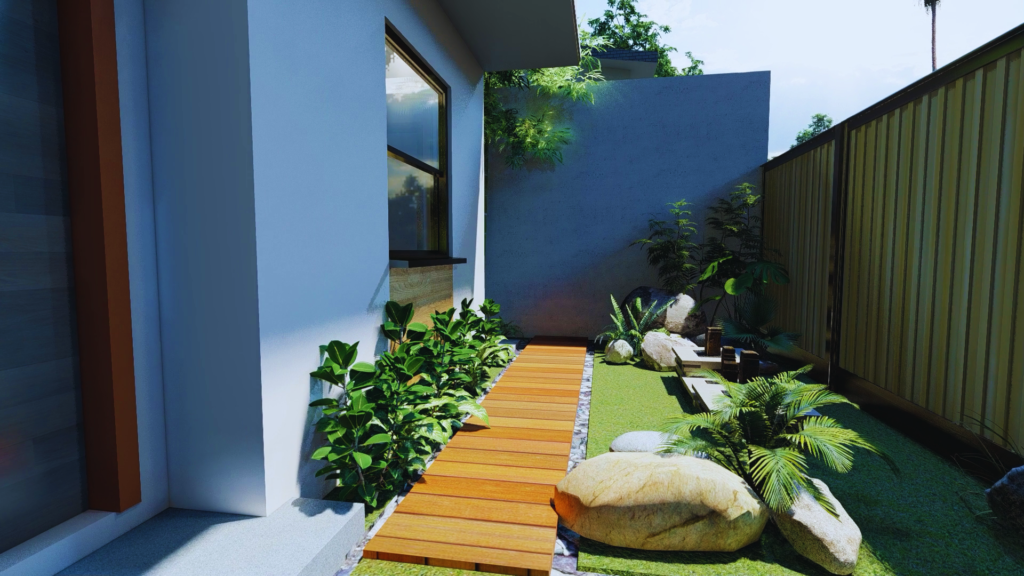
Creating a low-maintenance garden can transform an outdoor space into a tranquil retreat that requires minimal effort to maintain. The key to achieving a low-maintenance garden lies in selecting the right plants and designing the layout thoughtfully. This approach not only reduces the need for frequent upkeep but also enhances the overall aesthetics of the garden.
A variety of low-maintenance garden ideas can inspire those seeking to simplify their gardening tasks without compromising on beauty. Incorporating native plants, using hardscaping elements, and choosing perennials can significantly lessen the time spent on weeding, watering, and pruning. These elements work together to create an inviting space that thrives with minimal intervention.
For anyone feeling overwhelmed by traditional gardening demands, exploring low-maintenance options offers a practical and enjoyable solution. By embracing straightforward gardening techniques, they can enjoy a flourishing garden while freeing up time to appreciate the outdoors.
Planning Your Low-Maintenance Garden
Creating a low-maintenance garden involves careful consideration of existing conditions and selecting an appropriate style. By assessing the space and picking the right elements, a garden can thrive with minimal upkeep.
Assessing Your Space and Conditions
Begin with a thorough assessment of the garden area. This involves noting sunlight patterns throughout the day, as plants require varying amounts of light. A sunny garden is ideal for low-maintenance species like lavender and ornamental grasses.
Next, evaluate soil quality and drainage. Poor soil can hinder plant growth, leading to more maintenance. Consider utilising hard landscaping, such as paving slabs or composite decking, to create defined areas that require less care and can enhance the garden’s aesthetics.
Also, think about climate conditions. Choosing native plants can reduce water needs and increase resilience. Compile a list of plants that suit the conditions in the garden, ensuring they complement each other in terms of height, colour, and texture.
Choosing a Garden Style
Selecting a garden style is crucial for maintaining a low-maintenance approach. Minimalist gardens often involve clean lines and a limited selection of plants. This reduces the need for regular pruning and weeding.
Consider a contemporary design that incorporates hard landscaping. Paving slabs can create functional pathways and areas for seating, reducing the need for lawns that require mowing. Composite decking offers a durable, low-maintenance surface ideal for outdoor living spaces.
Mix in a few drought-resistant plants to minimise watering. Look for ground cover varieties that suppress weeds while providing visual interest. A carefully curated selection of plants and materials will create a harmonious environment that requires less intervention over time.
Selecting Plants for Ease of Care
Choosing the right plants is crucial for creating a low-maintenance garden. Focus on selecting species that require minimal attention while providing beauty throughout the year. This includes hardy perennials and drought-tolerant varieties which thrive without constant care.
Evergreen and Hardy Perennials
Evergreen plants maintain their foliage year-round, offering consistent visual interest. They can serve as the backbone of a low-maintenance garden. Examples include Russian sage and various aster species.
Hardy perennials like Echinacea, black-eyed Susan, and lavender are resilient. They require minimal watering and can withstand varying weather conditions. By selecting a mix of these plants, the garden remains vibrant across seasons with little effort.
Drought-Tolerant Varieties
Drought-tolerant plants are essential for conserving water and reducing maintenance tasks. Varieties such as lavender and Russian sage thrive in dry conditions, making them ideal for low-care gardens.
Incorporating dahlias and lilies can also enhance visual appeal, as they flourish with little intervention. These plants not only save time but also contribute to a sustainable environment.
Utilising Shrubs and Large Pots
Shrubs play a key role in a low-maintenance garden as they require less frequent care than flowers. Varieties like hardy evergreens provide structure and cover, making care straightforward.
Using large pots allows for flexibility in design and simplifies watering needs. They reduce the area of soil exposure, which can help retain moisture. Planting a mix of tough species like lavender or ornamental grasses in pots can create attractive focal points with minimal upkeep.
Garden Features and Additions
Incorporating unique features into a garden design enhances aesthetics and functionality while also reducing maintenance. Raised beds, water features, and gravel gardens or wildflower meadows can serve as focal points and improve the overall garden environment.
Implementing Raised Beds and Flower Beds
Raised beds provide excellent soil drainage and can be tailored to any size or shape, making them versatile for various plants. They are particularly beneficial for growing vegetables or ornamental flowers, as they can be filled with quality soil, improving growth.
Flower beds can be strategically placed to complement the raised beds. Incorporating ornamental grasses along with perennials adds texture and requires minimal care. Using hanging baskets can also introduce vertical elements that enhance colour and visual interest without extensive maintenance.
Adding Outdoor Lighting and Power Points
Outdoor lighting not only enhances the ambiance of a garden during the evening but also improves safety and functionality. Options such as solar-powered lights and low-voltage pathway lighting can create a warm atmosphere while marking walkways and highlighting key features.
In addition to lighting, it’s equally important to consider the installation of power outlets for operating any water features, electric gardening tools, or other decorative elements. These features require a reliable and safe electrical setup.
Therefore, to ensure everything is installed correctly and complies with local safety regulations, it’s advisable to contact professional electrician services North Pittsburgh, PA, or elsewhere. These experts can handle the entire installation process with precision, ensuring that the garden remains both beautiful and functional over time.
Incorporating Water Features
Water features contribute to a tranquil atmosphere while attracting wildlife. Simple features such as small ponds or bird baths are easy to install and maintain. They offer a calming sound and can be designed to fit seamlessly into the landscape.
Incorporating native plants around water features helps to create a natural look and reduces water usage. The addition of fountains can elevate the ambience, while also being energy-efficient if solar-powered. Such features also encourage the presence of beneficial insects, enhancing the garden ecosystem.
Creating a Gravel Garden or Wildflower Meadow
Gravel gardens are low-maintenance alternatives that require little watering and weeding. They can be designed with a variety of drought-resistant plants, including succulents and hardy perennials. The use of gravel also helps to suppress weeds, making upkeep simpler. If interested, you can consider sourcing high-quality gravel from reliable suppliers (click here to learn more) in order to enhance both the aesthetics and functionality of your garden.
Wildflower meadows provide vibrant, seasonal colour with minimal ongoing maintenance. These meadows encourage biodiversity and support local wildlife, including pollinators. By planting native wildflower seeds, a gardener can create a sustainable, self-sufficient environment that flourishes naturally.
Maintenance Tips and Techniques
Implementing a straightforward maintenance routine can significantly enhance the quality of a low-maintenance garden. Key strategies involve establishing a consistent garden care routine, using effective weed-suppressing solutions, and considering alternatives to traditional lawns. For trees and larger shrubs, consulting with a local licensed arborist can ensure proper pruning and long-term health, helping reduce future maintenance issues.
Garden Care Routine
A solid garden care routine focuses on minimal intervention while maintaining health. Regular checks are essential for identifying any plant issues early.
- Watering: It is advisable to water deeply but less frequently, promoting deep root growth. Early mornings are ideal for watering to reduce evaporation.
- Mulching: Applying a layer of organic mulch can suppress weeds and retain moisture, leading to healthier plants. Consider using materials such as bark chippings or straws.
- Pruning: Regular pruning of perennials and shrubs ensures controlled growth. This practice should be done after flowering to avoid removing potential blooms.
Using Weed-Suppressing Solutions
Managing weeds is critical in any garden. Employing weed-suppressing solutions can diminish the need for manual weeding.
- Weed-Suppressing Membrane: Installing a weed-suppressing membrane under mulch or gravel can significantly reduce weed growth. This fabric allows moisture and nutrients to pass through while blocking light.
- Ground Covers: Select low-growing plants to cover bare soil, reducing weeds and adding visual appeal. Varieties like creeping thyme or sedum are excellent options.
- Lawn Edging: Installing edging around pathways and garden beds not only improves aesthetics but also creates a barrier that limits weed encroachment.
Alternatives to Traditional Lawns
Traditional lawns require considerable maintenance, which can be reduced through clever alternatives.
- Low-Maintenance Lawn: Cultivating a low-maintenance grass variety, such as fescue or buffalo grass, reduces mowing frequency.
- Alternative Ground Cover: Options like clover or moss offer a green finish without needing mowing. These alternatives attract pollinators and require less water.
- Edible Landscaping: Integrating fruit and vegetable plants into the landscape allows for dual benefits. Plants like strawberries and herbs can serve as ground cover and provide fresh produce, enhancing both the garden’s aesthetics and functionality.
By implementing these maintenance tips and techniques, one can easily enjoy a vibrant and low-maintenance garden.