
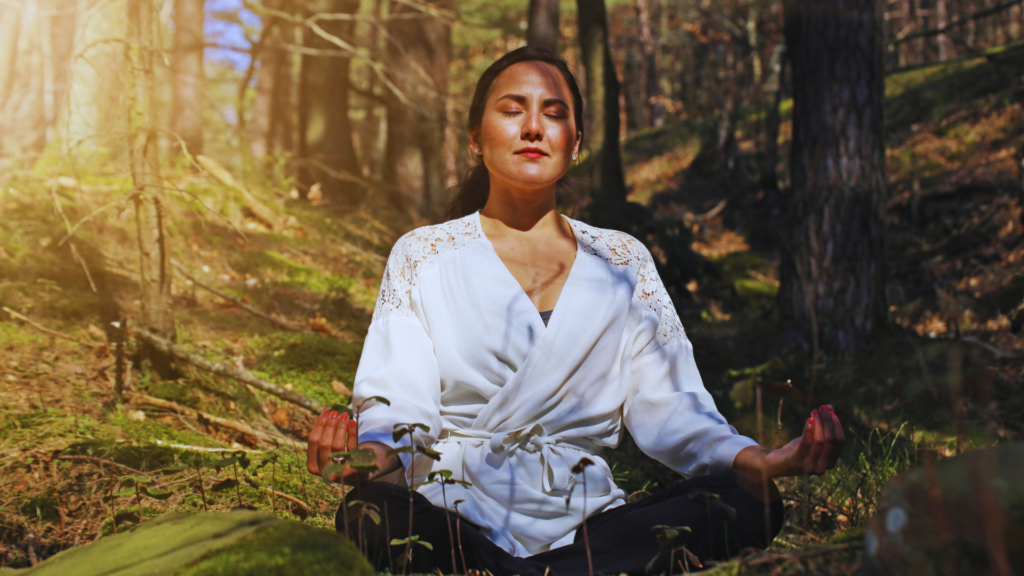
Nature therapy is an increasingly popular approach that involves using nature to improve mental and physical health. It has been shown to effectively reduce stress, enhance relaxation, and promote overall well-being by connecting individuals with their natural surroundings. This therapeutic practice encourages spending time outdoors through guided experiences or self-directed exploration.
Research indicates that immersion in nature can lead to significant improvements in mental health, helping to alleviate symptoms of anxiety and depression. By engaging with the natural world, individuals often find a renewed sense of peace and purpose, which contributes positively to their physical health as well. Nature therapy emphasises the simple yet profound benefits of stepping outside, breathing fresh air, and experiencing the sights and sounds of the environment.
As more people seek effective strategies for managing stress and enhancing their quality of life, nature therapy presents a compelling option. Those open to its benefits may discover a lasting impact on both their mental and physical well-being, underscoring the importance of nature in healing and self-care practices.
Understanding Nature Therapy
Nature therapy, also known as ecotherapy, harnesses the healing power of nature to improve mental and physical well-being. It encompasses various types of therapies that interact with the natural environment to promote healing and personal growth.
The Principles of Ecotherapy
Ecotherapy is founded on the premise that connecting with the natural world can significantly benefit emotional health. The practice emphasises the reciprocal relationship between humans and nature. Spending time outdoors not only reduces stress but also enhances mood and overall well-being.
Core principles include mindfulness in nature, the importance of green spaces, and an appreciation for natural rhythms. Such principles advocate for regular exposure to natural elements to foster healing and self-awareness. This approach is increasingly supported by empirical research linking nature exposure with improved psychological outcomes.
Types of Nature Therapy
There are several distinct forms of nature therapy, each tailored to specific needs and settings.
- Horticultural Therapy: Engages individuals in gardening and plant-related activities, capitalising on the therapeutic effects of working with plants.
- Forest Bathing: This practice involves immersing oneself in a forest environment to promote relaxation and reduce anxiety.
- Adventure Therapy: Utilises outdoor challenges to build self-esteem and problem-solving skills.
- Animal-Assisted Therapy: Incorporates interactions with animals to provide companionship, reduce stress, and foster emotional connections.
- Wilderness Therapy: Combines outdoor adventures with therapeutic principles, often aimed at youth with behavioural issues.
- Green Therapy: Focuses on therapeutic activities in green spaces, enhancing both mental and physical health.
These therapies not only offer diverse options for individuals but also reinforce the therapeutic impact of engaging with the natural environment.
Benefits of Nature Therapy
Nature therapy offers numerous advantages for mental, emotional, and physical health. Engaging with natural environments can significantly enhance psychological well-being and promote overall health.
Mental and Emotional Health
Nature therapy can effectively reduce symptoms of anxiety, depression, and stress. Exposure to natural surroundings has been associated with lower cortisol levels, which directly correlates with reduced stress.
Research indicates that spending time outdoors can alleviate the effects of PTSD and seasonal affective disorder (SAD). Natural light and the tranquil qualities of green spaces improve mood and promote relaxation.
Additionally, it has been shown to enhance cognitive function. Activities such as walking in nature can lead to improved focus and mental clarity.
Enjoying nature can also boost self-esteem and foster positive thought patterns. This contributes to improved psychological well-being, making nature therapy a valuable tool for mental health.
Physical Health and Wellbeing
Nature therapy promotes physical health through increased activity levels. Engaging in outdoor exercises—like hiking, gardening, and walking—encourages movement, which can combat high blood pressure and improve cardiovascular health.
Spending time in nature is linked to enhanced immune function. Fresh air and natural environments contribute to better overall health.
Furthermore, nature therapy can lead to improved sleep quality. By reducing stress and promoting relaxation, it aids in establishing healthier sleep patterns.
Overall, regular engagement with nature fosters a holistic approach to health, positively influencing both mental and physical aspects of well-being.
Implementing Nature Therapy
Nature therapy involves various techniques and activities that leverage the natural environment to enhance mental and physical well-being. It can be integrated into treatment plans, promoting creative expression, cognitive flexibility, and physical activity.
Therapy Techniques and Activities
Nature therapy includes several effective techniques. Green exercise is one such method, combining physical activity with outdoor settings. Activities like walking, running, or cycling in nature can boost mood and reduce anxiety.
Grounding techniques involve direct contact with nature, such as walking barefoot on grass or soil. This practice has been shown to help reduce stress.
Forest therapy, which emphasises immersive experiences in wooded areas, encourages mindful walking and observation of surroundings. Participants engage their senses, fostering a deeper connection to nature.
Care farming offers therapeutic activities on farms, facilitating environments where individuals can work alongside nature to enhance well-being. Through these activities, participants improve their social skills and experience a sense of purpose.
Integrating Nature Therapy into Treatment
Integrating nature therapy into treatment requires careful planning. Practitioners can start by assessing patients’ needs and preferences and tailoring activities accordingly. Developing a structured programme that includes regular visits to natural settings can effectively enhance therapeutic outcomes.
Incorporating creativity is essential. Activities such as painting outdoors or writing about nature can stimulate emotional expression and cognitive flexibility.
Physical activity should be emphasised in natural settings as well. Patients can participate in guided sessions that promote fitness while enjoying the benefits of being outdoors.
Holistic approaches combining therapy techniques and natural elements can create a balanced treatment plan that addresses both mental and physical health concerns.