
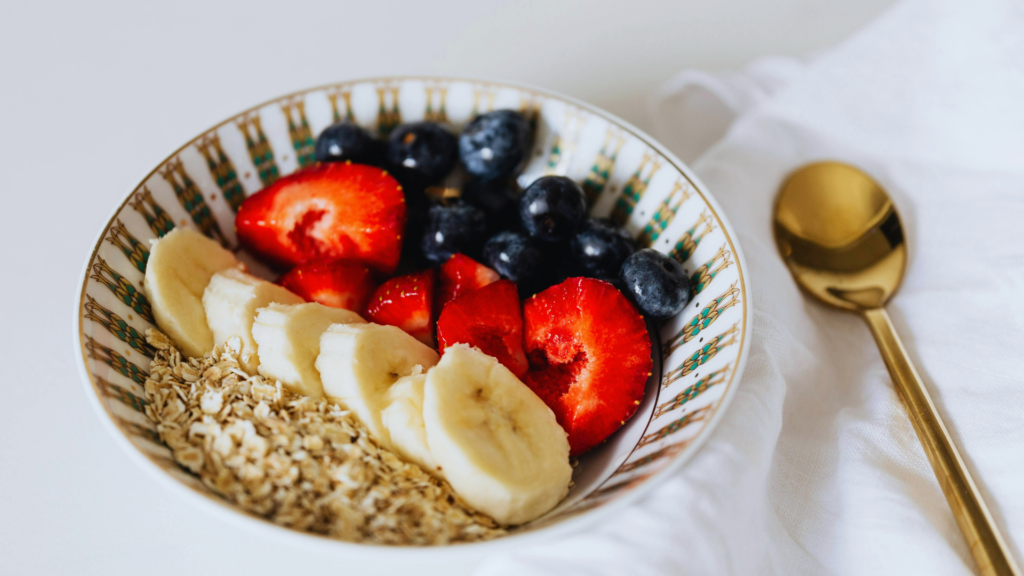
Food preparation that supports long-term wellbeing focuses on incorporating whole, nutrient-rich ingredients while minimising reliance on processed foods. By planning and preparing meals ahead of time, individuals can maintain a balanced diet that consistently delivers essential vitamins and minerals, which are crucial for sustained health.
Meal prepping with fresh, natural foods helps reduce exposure to additives and preservatives often found in convenience options, fostering better long-term health outcomes. This approach also encourages mindful eating habits and reduces food waste by using ingredients efficiently.
Additionally, effective meal prep can save time and reduce stress during busy weeks, making it easier to adhere to healthy eating patterns. Emphasising simple, wholesome meals ensures that nutrition is never compromised, even with a hectic lifestyle.
Core Principles of Food Preparation for Wellbeing
Food preparation shapes the nutritional value and health benefits of meals. Prioritising balanced nutrients, managing portion sizes effectively, and varying ingredients can directly support long-term health and wellbeing.
Importance of Nutrient Balance
Balanced nutrient intake is fundamental to maintaining energy, supporting bodily functions, and preventing chronic conditions. A well-prepared meal should combine carbohydrates, proteins, fats, vitamins, and minerals in appropriate amounts.
Including whole grains, lean proteins, healthy fats like olive oil or nuts, and plenty of vegetables ensures a broad nutrient profile. Preparation methods such as steaming or roasting help preserve vitamins and minerals better than deep frying.
Avoiding excessive added sugars and salt during cooking contributes to heart health and stable blood sugar levels. Thoughtful ingredient selection and cooking techniques can increase nutrient retention and optimise the meal’s health impact.
Portion Control Strategies
Managing portion size during food preparation is key to maintaining a healthy weight and avoiding overeating. Using smaller plates, pre-portioning snacks, or dividing meals into clearly measured servings helps regulate intake.
It can also be effective to prepare meals in advance with portion sizes predetermined to avoid last-minute over-serving. Tracking portions visually or with kitchen scales supports consistency.
Controlling food portions limits calorie intake without compromising nutrient consumption, reducing the risk of weight-related health issues. Portion control should complement the nutritional balance of the meal for the best results.
Meal Variety for Sustained Health
Variety in food choice ensures a wide range of nutrients and prevents dietary boredom. Rotating different vegetables, proteins, whole grains, and flavour profiles in meal prep encourages balanced nutrition over time.
Incorporating seasonal produce maximises freshness and nutrient density. Combining different coloured vegetables and fruits provides diverse antioxidants and vitamins.
Consistent variation supports gut health through exposure to varied fibres and nutrients. Regularly changing meal components prevents nutritional gaps and fosters a sustainable eating routine.
Essential Tools and Kitchen Setup
A well-equipped kitchen and organised pantry form the foundation for efficient food preparation that supports consistent healthy habits. Choosing the right tools and maintaining order in food storage helps streamline meal prep, reduce waste, and promote balanced nutrition.
Recommended Food Prep Equipment
Key tools include a sharp chef’s knife, a sturdy cutting board, and reliable storage containers. A quality knife improves chopping speed and precision, while a large, easy-to-clean board protects surfaces and prevents cross-contamination.
Multi-functional appliances like a food processor or blender speed up chopping, shredding, and pureeing tasks. A digital food scale is vital for accurate portion control, assisting with calorie counting and recipe adherence.
Investing in airtight containers of various sizes helps preserve freshness and simplifies portioning. Non-toxic, BPA-free plastics or glass containers with secure lids are preferable for longevity and safety.
Organising Your Pantry
Clearly labelling and grouping pantry items enhances accessibility and prevents expired food use. Group staples such as grains, legumes, and canned goods together, while storing spices and baking ingredients in a separate, visible area.
Use airtight jars for dry goods to maintain freshness and deter pests. Transparent containers help monitor stock levels easily, reducing impulse buys and food waste.
Placing frequently used items at eye level speeds up meal assembly. Rotate stock regularly by putting new purchases behind older supplies, ensuring everything is used within its best-before date.
Batch Cooking for Long-Term Health
Planning meals ahead can improve diet quality, reduce reliance on processed foods, and help maintain balanced nutrition. Effective batch cooking involves understanding basic preparation methods, choosing the right storage options, and mastering freezing and reheating techniques to preserve flavour and nutrients.
Batch Cooking Basics
Batch cooking means preparing multiple meals or large portions at once, often covering several days or a week. It focuses on balanced recipes with vegetables, lean proteins, and whole grains to support sustained energy and well-being.
Choosing meals that freeze well, such as soups, stews, curries, and casseroles, provides variety while maintaining nutrition. It also helps control portion sizes and reduces food waste by using seasonal ingredients and leftovers creatively.
Planning includes creating a shopping list aligned with menus, prepping ingredients simultaneously, and using efficient cooking methods like one-pot dishes or slow cookers to save time. Consistency and simplicity are key to making batch cooking sustainable.
Time-Saving Storage Solutions
Proper storage is critical for maintaining meal quality and preventing spoilage. Using airtight containers that are freezer-safe with clear labelling ensures meals stay fresh and easy to identify.
Glass and BPA-free plastic containers come in various sizes and stack well, optimising fridge and freezer space. Portioning meals individually allows quick access and controls serving sizes without unnecessary defrosting.
Using reusable silicone bags, freezer paper, or vacuum sealing can further extend shelf life and maintain flavour. Keeping a record of cooking dates and meal contents helps rotate food effectively and prevents waste.
Freezing and Reheating Best Practices
Freezing meals promptly after cooking preserves nutrients and texture. Avoid cooling food at room temperature for too long to minimise bacterial growth before freezing.
When reheating, aim to heat food evenly and thoroughly, ideally to an internal temperature of 75°C, to ensure safety. Using a microwave or oven is common, but stirring occasionally helps avoid cold spots.
Some dishes improve after freezing as flavours meld, but certain ingredients like leafy greens or cream-based sauces may separate or lose texture. Adjusting recipes with freeze-friendly substitutes can maintain quality when reheating.
Planning Meals for the Week
Effective meal planning saves time, reduces waste, and ensures balanced nutrition throughout the week. It involves selecting recipes suited to one’s schedule and preferences while considering ingredient shelf life and meal variety.
Organising meals into a weekly structure and preparing an accurate shopping list streamlines the cooking process and supports healthier choices.
Weekly Menu Planning Techniques
A practical weekly menu blends breakfast, lunch, dinner, and snacks tailored to daily routines. It should balance proteins, vegetables, and carbohydrates, varying flavours and textures to avoid repetition.
Batch-cooking meals like soups or casseroles works well for busy days. Nutrient-dense, freezable dishes save time and maintain food quality over several days.
Using a calendar or digital app to map out meals helps allocate prep times and prioritises fresher ingredients earlier in the week. Planning also includes setting aside at least one flexible meal to accommodate unexpected changes.
Shopping List Organisation
A clear, itemised shopping list directs efficient grocery trips, reducing impulse buys and forgotten ingredients. Grouping items by store sections—such as produce, dairy, pantry staples—saves time in the aisles.
Including quantities aligned with the planned meals prevents overbuying perishable goods. It also helps identify ingredients that can be used in multiple meals, maximising utility.
Reviewing existing pantry staples before shopping ensures only needed items are purchased. Digital tools or meal-planning apps can streamline list creation and enable easy adjustments.
Healthy Recipes for Meal Prep Success
Meal prepping requires recipes that offer sufficient nutrients while being easy to prepare and store. Choosing meals with a balance of protein, fibre, and healthy fats helps maintain energy and supports long-term health.
Nutritious Breakfast Ideas
Breakfast meal prep should focus on sustained energy and convenience. Options like overnight oats with chia seeds provide fibre and omega-3 fats. Adding fresh or frozen berries boosts antioxidants and vitamin C.
Greek yoghurt combined with mixed nuts and fruit delivers protein and good fats, keeping hunger at bay. Egg muffins packed with vegetables offer a low-carb, high-protein alternative that reheats easily.
Ensuring breakfast includes complex carbohydrates and protein stabilises blood sugar and supports mental focus through the morning.
Wholesome Lunch Options
Lunch meals benefit from a combination of lean proteins, whole grains, and plenty of vegetables. Grilled chicken or tofu with quinoa and roasted vegetables delivers protein and slow-digesting carbs.
Salad jars layered with leafy greens, beans, seeds, and a light vinaigrette remain fresh when kept separate from dressing until serving. Soups rich in legumes and root vegetables warm quickly and provide filling, nutrient-dense meals.
Preparation should emphasise variety in colours and textures to maintain appetising, flavourful meals that sustain energy through busy afternoons.
Balanced Dinner Recipes
Dinner recipes for meal prep should support recovery and relaxation through balanced macronutrients. Baked salmon offers healthy omega-3 fats paired with sweet potato mash for vitamin A and fibre.
Stir-fries using lean beef or chickpeas with a medley of colourful vegetables and brown rice ensure a good mix of protein, fibre, and micronutrients.
Including a side of leafy greens or a fresh salad improves digestion and vitamin intake while keeping processed ingredients to a minimum supports long-term wellbeing.
Maximising Food Freshness and Safety
Keeping food fresh and safe requires careful control of storage conditions and strict hygiene practices. These steps help preserve nutrients, prevent spoilage, and lower the risk of contamination.
Proper Food Storage Methods
Food should be stored according to its specific requirements to extend shelf life. Perishable items like dairy, meat, and fresh produce need refrigeration at temperatures below 5°C. Non-perishables benefit from cool, dry, and dark environments to avoid moisture and heat damage.
Use airtight containers, vacuum sealing, or mylar bags with oxygen absorbers for dry goods. This prevents exposure to air, pests, and humidity. Rotating stock regularly by using older items first is also essential to avoid waste and ensure freshness.
Freezing is effective for preserving many foods, but it requires correct packaging to prevent freezer burn. Label all stored foods with dates to track storage duration and comply with recommended time frames for safety.
Safe Handling and Hygiene
Food safety begins with clean hands, utensils, and surfaces to prevent cross-contamination. Washing hands thoroughly before handling food is critical, especially when dealing with raw meat or eggs.
Separate raw and cooked foods during preparation and storage to avoid bacterial transfer. Using clean chopping boards and knives for different food types reduces risks.
Proper temperature control during cooking and cooling is vital. Foods should reach internal cooking temperatures sufficient to kill pathogens, and leftovers must be refrigerated promptly within two hours.
Regularly inspecting containers for damage or leaks helps maintain food safety. Any signs of spoilage, such as off smells, colours, or textures, should prompt discarding the items immediately.
Incorporating Seasonal and Local Ingredients
Using ingredients that are grown and harvested in season, and sourced locally, enhances meal prep by improving nutrition, reducing waste, and supporting community economies. These practices also contribute to fresh flavours and diverse meal options throughout the year.
Benefits of Eating Seasonally
Eating seasonal ingredients ensures produce is consumed at its peak freshness and nutritional value. Fruits and vegetables grown in the right climate and time have higher vitamin and mineral content.
Seasonal eating also tends to be more cost-effective because the supply is abundant, reducing the need for expensive storage or importation. It encourages variety, helping to avoid repetitive meal choices.
Additionally, seasonal foods often require less processing and transport, which lowers their environmental impact and food waste. Preserving surplus produce by pickling or fermenting extends shelf life, adding to the benefits of seasonal cooking.
Sourcing Local Produce
Buying locally means purchasing from nearby farms, markets, or community-supported agriculture schemes. This access guarantees fresher ingredients because items spend less time in transit.
Supporting local farmers strengthens the local economy and promotes sustainable agricultural practices. Local produce is frequently harvested at peak ripeness rather than early for shipping.
Common sources include farmers’ markets, food box schemes, and local co-operatives. These options provide a range of seasonal fruits, vegetables, dairy, and meats. Choosing local reduces packaging waste and often connects consumers directly with producers.
| Source Type | Typical Offerings | Benefits |
| Farmers’ Markets | Fresh fruits, vegetables, dairy, and meats | Freshness, variety, local jobs |
| Veg Box Schemes | Weekly seasonal produce boxes | Convenience, seasonal variety |
| Local Co-operatives | Mixed produce and pantry items | Community support, sustainability |
Adapting Food Prep to Dietary Preferences
Customising meal preparation to fit specific dietary needs ensures nutritional balance and enjoyment. It often requires choosing the right ingredients and techniques to maintain variety and convenience throughout the week.
Vegetarian and Vegan Prep Tips
For vegetarians and vegans, protein sources like lentils, chickpeas, tofu, and tempeh are essential staples. These can be batch-cooked and seasoned differently for diverse meals. Incorporating a variety of colourful vegetables and whole grains maximises nutrient intake.
Using herbs, spices, and umami-rich ingredients such as nutritional yeast or miso enhances flavour without added salt or fat. Preparing sauces and dressings in advance can add variety while keeping meals quick to assemble.
Freezing pre-portioned meals or ingredients like cooked beans or vegetable-based curries allows for efficient, time-saving access. Including plant-based fats like avocado or nuts supports balanced nutrition and satiety.
Allergen-Friendly Options
Adapting food prep for allergens focuses on avoiding cross-contamination and selecting safe ingredients. It’s critical to label meals clearly, especially when cooking for multiple people.
Common allergens like gluten, nuts, dairy, and eggs require careful substitution. For instance, gluten-free grains (quinoa, rice) replace wheat-based products, while dairy alternatives (oat, almond milk) offer similar texture and taste.
Using separate utensils and storage containers for allergen-free meals reduces risks. Recipes centred on naturally allergen-free foods, such as fresh vegetables, fruits, and lean meats, simplify preparation.
Planning meals with flexibility allows for easy swapping of ingredients, making it easier to accommodate changing needs without discarding entire prep efforts.
Staying Motivated and Consistent
Sustaining food preparation habits requires practical strategies and mindful planning. Achieving realistic goals and incorporating variety can prevent burnout and maintain interest in healthy eating for the long term.
Setting Achievable Food Prep Goals
Effective motivation begins with setting clear, achievable food prep goals. These goals should align with an individual’s lifestyle and energy levels to avoid discouragement. Starting with small, manageable targets—such as preparing one meal per day or designating specific prep days—can build confidence.
Tracking progress through simple tools like checklists or apps helps maintain focus and illustrates improvement over time. Flexibility is essential; if a planned routine feels overwhelming, adjusting portions or simplifying recipes can sustain momentum.
Breaking down larger goals into weekly or daily tasks ensures steady advancement without feeling overloaded. This structured yet adaptable approach supports consistency and reduces the risk of meal prep becoming a chore.
Maintaining Variety Over Time
Introducing variety in meals is crucial to long-term engagement with food preparation. Rotating proteins, vegetables, and cooking styles prevents monotony and encourages nutrient diversity.
Planning different flavour profiles—such as Mediterranean, Asian, or Mexican-inspired dishes—adds excitement without complicating preparation. Using seasonal ingredients promotes freshness and can simplify shopping.
Batch cooking versatile components like grains and roasted vegetables allows for creative combinations throughout the week. Experimenting with herbs and spices also refreshes flavours without added calories.
Maintaining variety supports both nutritional balance and enjoyment, key factors in upholding consistent, healthy eating patterns.
Sustainable Food Preparation Practices
Sustainable food preparation involves practical steps that preserve resources and maintain nutritional value. It requires conscious decisions in how food is stored and how waste is minimised, which benefits both the environment and long-term health.
Reducing Food Waste
Minimising food waste starts with careful meal planning and portion control. Preparing meals in advance with precise ingredient measurements helps avoid excess. Using leftovers creatively, such as turning vegetable scraps into broths or incorporating stale bread into recipes, extends the use of food.
Understanding food labels and storing items correctly can also reduce spoilage. Freezing surplus produce or prepared meals preserves nutrients and prevents premature waste. Tracking food expiry dates and rotating stock efficiently helps ensure ingredients are used in time.
Implementing these strategies lowers household waste significantly, saving money and reducing environmental impact. This approach supports a resilient, sustainable lifestyle grounded in thoughtful food use.
Eco-Friendly Storage Alternatives
Choosing storage methods that reduce plastic use is essential for sustainability. Glass containers, stainless steel tins, and silicone lids offer durable, reusable options that safeguard food quality without single-use waste.
Beeswax wraps and cloth covers serve as natural alternatives to cling film. They maintain freshness while being compostable or washable, cutting down on harmful waste. These materials also reduce reliance on petroleum-based plastics.
Proper storage extends the life of perishable items and maintains nutritional content, making it an integral part of sustainable meal prep. Selecting eco-friendly tools fosters a kitchen environment that supports long-term wellbeing and planet health.