
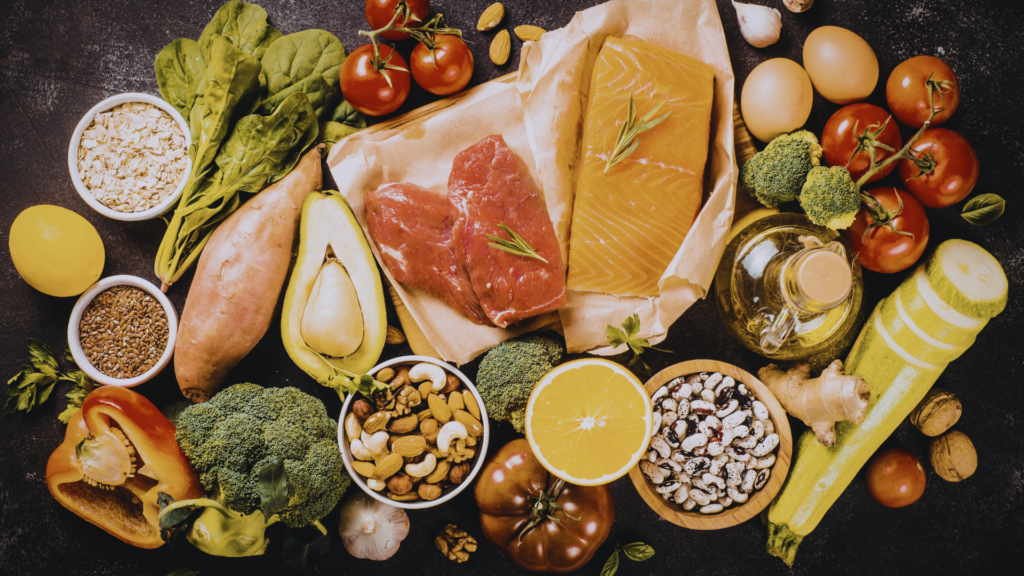
Building a stronger body starts with more than just exercise; it begins with the foods chosen every day. Everyday ingredients rich in protein, calcium, and essential nutrients provide the foundation needed for muscle repair, bone strength, and sustained energy. These simple foods support the body’s natural ability to recover and grow stronger over time.
Consuming nutrient-dense ingredients such as lean meats, dairy, legumes, and leafy greens equips the body with amino acids and minerals essential for maintaining muscle mass and bone health. Combined with consistent physical activity, the right diet becomes a powerful tool for anyone looking to improve their strength and resilience without relying on complicated supplements or trends.
Choosing familiar, readily available foods helps make healthy eating accessible and sustainable. When the focus is on quality ingredients that fuel the body efficiently, everyday meals become opportunities to build strength and improve overall well-being.
The Role of Nutrition in Building a Stronger Body
Nutrition provides the foundation for muscle growth, bone strength, and overall physical resilience. Proper intake of specific nutrients supports bodily repair and energy production, enabling effective strength development. Understanding these components optimises daily food choices.
Macronutrients and Their Importance
Macronutrients—protein, carbohydrates, and fats—are the primary sources of energy and building blocks for the body. Protein is essential for muscle repair and growth; sources include chicken, fish, eggs, and dairy. Consuming adequate protein helps recover muscle fibres damaged during exercise.
Carbohydrates provide energy for workouts and recovery. Complex carbs from whole grains and vegetables sustain energy levels without causing sharp blood sugar spikes.
Fats are vital for hormone production and cell function. Healthy fats, such as those from nuts, seeds, and olive oil, support joint health and reduce inflammation.
Balancing intake of these macronutrients tailors energy supply and muscle synthesis to the individual’s physical demands.
Micronutrients for Optimal Health
Micronutrients like vitamins and minerals play critical roles in muscle function and bone density. Calcium and vitamin D are central to strong bones, facilitating mineral absorption and bone repair.
Magnesium supports muscle contraction and relaxation, while iron ensures oxygen transport to muscles, enhancing endurance.
Antioxidant vitamins such as C and E help reduce oxidative stress caused by exercise, aiding recovery. Sources include leafy greens, nuts, dairy, and fortified foods.
Adequate hydration and mineral balance maintain metabolic processes vital for strength and mobility.
Balanced Diet Principles
A balanced diet blends macronutrients and micronutrients in appropriate amounts based on activity level and goals. Meals should combine lean protein, colourful vegetables, whole grains, and healthy fats for comprehensive nutrient coverage.
Regular eating patterns support steady energy and effective muscle repair throughout the day. Avoiding highly processed foods rich in sugars and unhealthy fats reduces inflammation and supports overall health.
Small adjustments, such as swapping sugary drinks for water or adding spinach to meals, can increase nutrient density and improve strength outcomes over time.
Protein-Rich Everyday Foods
A strong body requires sufficient protein from diverse, accessible ingredients. These everyday foods provide essential amino acids crucial for muscle repair, maintenance, and overall health.
Eggs for Muscle Development
Eggs are a cost-effective, complete protein source with all nine essential amino acids. They contain about 6 grams of protein per large egg, making them highly efficient for muscle synthesis.
Besides protein, eggs supply vitamins such as B12 and D, which support energy metabolism and bone health. The leucine content in eggs specifically triggers muscle protein synthesis, beneficial after exercise.
Eggs are versatile, easily incorporated into meals at any time of day, and suitable for various cooking methods without significant nutrient loss.
Lean Meats and Poultry
Lean meats like chicken, turkey, and lean cuts of beef provide high-quality protein with minimal saturated fat. These foods typically offer 20-25 grams of protein per 100 grams cooked.
They are rich in iron and zinc, minerals essential for oxygen transport and immune function. The bioavailability of protein in lean meats is high, meaning the body uses it efficiently for muscle repair.
Choosing skinless poultry or trimmed lean beef improves nutrition by reducing fat intake while maintaining protein levels.
Dairy Products as Protein Sources
Dairy products such as milk, yoghurt, and cheese provide both casein and whey proteins, which digest at different rates to support muscle recovery and growth.
A standard serving of low-fat yoghurt contains approximately 10 grams of protein, alongside calcium, which is vital for bone strength.
Dairy also offers B vitamins and phosphorus, contributing to energy production and bone health. For those who tolerate lactose, dairy is a convenient daily protein source.
Essential Whole Grains and Carbohydrate Sources
Carbohydrates provide energy vital to daily function, and choosing whole-grain sources enhances nutrient intake. Whole grains offer fibre, protein, vitamins, and minerals that support digestion, heart health, and sustained energy levels.
Oats for Sustained Energy
Oats are a rich source of soluble fibre, particularly beta-glucan, which helps regulate blood sugar by slowing carbohydrate absorption. This contributes to sustained energy release and reduces hunger between meals.
They also contain key nutrients like magnesium, iron, and B vitamins. These support metabolism and muscle function. Oats are naturally low in fat and have a moderate protein content, making them a balanced carbohydrate choice.
Regular consumption can improve cholesterol levels, benefiting cardiovascular health. Oats can be easily added to breakfasts and snacks, providing versatility in meal planning.
Brown Rice and Quinoa
Brown rice retains the bran and germ, preserving fibre and essential minerals such as magnesium and phosphorus. This whole grain supports digestive health and a steady energy supply compared to refined white rice.
Quinoa, though a seed, is often grouped with grains due to its nutritional profile. It is a complete protein source containing all essential amino acids. Quinoa is also rich in fibre, iron, and antioxidants.
Both brown rice and quinoa have a low glycaemic index, which helps control blood sugar levels. They make healthy staples in meals and pair well with vegetables and lean proteins.
Wholegrain Bread Benefits
Wholegrain bread contains all parts of the grain, providing more fibre and nutrients than white bread. Fibre improves digestion, helps maintain steady blood glucose, and may increase feelings of fullness.
It is a source of B vitamins, iron, and phytochemicals that support metabolism and long-term health. Wholegrain bread contributes to heart health by lowering cholesterol and reducing the risk of cardiovascular disease.
When choosing bread, it is important to check that wholegrain is a main ingredient. Avoid breads with added sugars and excessive processing to maximise nutrient intake.
Nutrient-Dense Fruits and Vegetables
Certain fruits and vegetables provide concentrated sources of essential nutrients that support bodily functions. They deliver vitamins, minerals, fibre, and antioxidants in forms that are easy for the body to absorb and utilise.
Leafy Greens for Vitamins and Minerals
Leafy greens such as spinach, kale, and Swiss chard are rich in vitamins A, C, K, and several B vitamins. They also supply minerals like iron, calcium, magnesium, and potassium, which are vital for bone health, blood pressure regulation, and energy metabolism.
These vegetables are high in fibre, aiding digestion and supporting gut health. Their low-calorie and high-nutrient content helps maintain a healthy weight while boosting nutrient intake. Regular consumption of leafy greens can contribute to improved skin health and immune function.
Cruciferous Vegetables
Cruciferous vegetables include broccoli, cauliflower, Brussels sprouts, and cabbage. They contain glucosinolates, compounds that the body converts into antioxidants and anti-inflammatory agents.
These vegetables are excellent sources of vitamin C, folate, and fibre. They support heart health by helping to reduce cholesterol levels and promote healthy digestion through fibre content. Cruciferous vegetables also contribute nutrients important for detoxification processes in the liver.
Berries and Their Antioxidants
Berries such as blueberries, strawberries, and raspberries are rich in antioxidants, including anthocyanins and vitamin C. These compounds protect cells from oxidative stress and support the body’s immune response.
Berries provide dietary fibre, which benefits digestion and blood sugar control. They are low in calories but high in nutrients, making them effective for weight management. Regular berry intake may also aid brain health by reducing inflammation and supporting cognitive function.
Healthy Fats for Bodily Strength
Healthy fats are essential for hormone production, muscle repair, and overall bodily function. Including specific foods rich in these fats can enhance muscle growth, support heart health, and provide sustained energy.
Avocado and Heart Health
Avocados are high in monounsaturated fats, which help lower bad cholesterol (LDL) while raising good cholesterol (HDL). This balance supports cardiovascular health, crucial for delivering oxygen and nutrients to muscles during exercise.
They also provide vitamin E, an antioxidant that protects cells from damage. The combination of healthy fats and nutrients makes avocados a valuable ingredient for maintaining energy and supporting recovery.
Oily Fish and Omega-3 Fatty Acids
Oily fish such as salmon, mackerel, and sardines are rich in omega-3 fatty acids. These fats reduce inflammation in muscles and joints, speeding up recovery after workouts.
Omega-3s also play a role in muscle protein synthesis and help maintain healthy hormone levels critical for muscle growth. Regular consumption supports strength and reduces the risk of chronic conditions.
Nuts and Seeds for Strength
Nuts and seeds supply a mix of healthy fats, protein, fibre, and minerals like magnesium and zinc. Almonds, walnuts, flaxseeds, and chia seeds are especially effective at providing these nutrients.
Their fat content aids hormone production, including testosterone, which supports muscle repair and growth. Including small portions daily can contribute to sustained energy and improved muscle function.
Hydration and Its Impact on Physical Health
Proper hydration supports key bodily functions, including temperature regulation, nutrient transport, and joint lubrication. Maintaining fluid balance is critical for physical performance and overall bodily function.
Water as an Essential Nutrient
Water constitutes around 60% of body weight and is vital for health. It regulates body temperature through sweat, helping to prevent overheating during physical activity.
Water also aids nutrient absorption and waste removal. Inadequate intake can reduce endurance, slow recovery, and impair muscle function. Drinking plain water is the most effective way to stay hydrated, although other fluids and water-rich foods contribute to total intake.
Factors like exercise, heat, and illness increase the body’s water needs. Drinking consistently throughout the day ensures optimal hydration and supports physical health.
Electrolyte Balance from Everyday Foods
Electrolytes like sodium, potassium, and magnesium regulate nerve signals and muscle contractions. These minerals are essential for maintaining fluid balance inside and outside cells.
Common foods supplying electrolytes include:
- Bananas (potassium)
- Leafy greens (magnesium)
- Table salt (sodium)
Consuming a balanced diet with these ingredients complements water intake. Electrolyte loss through sweat during exercise or heat exposure increases hydration needs and nutrient replacement.
Proper electrolyte balance prevents muscle cramps, fatigue, and dizziness, supporting sustained physical activity and recovery.
Functional Foods for Bone and Joint Support
Certain everyday ingredients provide essential nutrients that directly contribute to stronger bones and healthier joints. These include dietary sources rich in calcium and vitamin D, both vital for maintaining bone density and joint function.
Milk and Calcium-Rich Alternatives
Milk is a well-known source of calcium, a mineral crucial for bone strength and structure. Regular consumption of milk or fortified alternatives like almond, soy, or oat milk can help maintain adequate calcium levels, especially when selecting those fortified with added calcium.
In addition to dairy, leafy green vegetables such as kale and broccoli also offer calcium. Incorporating a variety of these sources ensures consistent intake without relying solely on dairy products.
Calcium supports the body’s ability to renew bone tissue and reduces the risk of fractures or bone-related diseases. Adequate calcium intake is particularly important for ageing adults, as bone density naturally decreases over time.
Vitamin D in Everyday Ingredients
Vitamin D enhances the body’s ability to absorb calcium, making it essential for bone and joint health. Exposure to sunlight is a primary source, but dietary intake is necessary when sunlight is insufficient.
Egg yolks, fatty fish like salmon and mackerel, and fortified foods such as cereals and plant-based milks provide practical sources of vitamin D. Including these foods regularly supports calcium absorption and bone maintenance.
Vitamin D also plays a role in reducing inflammation in joints, which can alleviate discomfort in conditions such as arthritis. Maintaining priority on both calcium and vitamin D intake creates a foundation for healthier bones and joints.
Immune-Boosting Kitchen Staples
Certain kitchen ingredients contain compounds that actively support the immune system. These staples help regulate inflammation, activate immune cells, and provide essential vitamins and minerals needed for defence against common infections.
Garlic’s Health Benefits
Garlic is rich in allicin, a compound known to stimulate key immune cells such as macrophages and natural killer cells. This activation aids the body’s ability to fight bacteria and viruses more effectively.
Studies show garlic can increase white blood cell activity, improving resistance to colds and reducing their duration. Its antimicrobial and anti-inflammatory properties contribute to maintaining immune balance without overstimulation.
Including garlic regularly in meals supports immune defence by enhancing innate responses. It can be used raw, cooked, or added to broths, providing versatile options for daily consumption.
Ginger and Turmeric
Ginger contains bioactive compounds like gingerol, which have anti-inflammatory and antioxidant effects. These help calm immune system overreactions while promoting cell repair and immune cell communication.
Turmeric is high in curcumin, a powerful anti-inflammatory agent. Curcumin modulates immune responses, supporting a balanced system that can respond effectively without excessive inflammation.
Both ingredients are commonly added to teas, soups, and curries. Their combined properties help reduce the risk of chronic inflammation and support a healthier immune reaction.
Citrus Fruits for Immune Function
Citrus fruits such as oranges, lemons, and grapefruits are rich in vitamin C, essential for immune cell function and skin barrier support. Vitamin C promotes the production and activity of white blood cells.
They also provide antioxidants like flavonoids, which protect cells from oxidative damage during infections. Regular consumption of citrus fruits helps maintain effective immune responses and reduces inflammation.
Eating fresh fruit or using citrus juice in recipes supports daily nutrient intake. These fruits also contribute hydration and fibre, further supporting general health.
Foods for Supporting Recovery and Reducing Inflammation
Certain everyday ingredients contain compounds that help reduce inflammation and support the body’s healing processes. These foods also provide antioxidants and healthy fats, which are essential for tissue repair and managing oxidative stress.
Cherries and Polyphenols
Cherries are rich in polyphenols, natural compounds with antioxidant and anti-inflammatory properties. These help lower markers of inflammation, which can reduce muscle soreness and support recovery after physical activity.
Anthocyanins, the pigments giving cherries their red colour, play a key role in slowing the production of inflammatory enzymes. Regular consumption of tart cherries or cherry juice has been associated with faster recovery times and less muscle damage.
Including cherries in the diet provides a natural source of these beneficial substances. They can be eaten fresh or added to smoothies, cereals, or salads to combine anti-inflammatory benefits with everyday meals.
Olive Oil and Healthy Anti-Inflammatory Fats
Extra virgin olive oil is a primary source of monounsaturated fats and polyphenols, both known for their anti-inflammatory effects. These fats help lower inflammatory markers in the body, supporting cardiovascular health and reducing chronic inflammation.
Oleocanthal, a compound found in olive oil, functions similarly to anti-inflammatory medications by blocking inflammatory pathways. Using olive oil as a cooking oil or dressing is a simple way to incorporate these healthy fats into the diet.
Compared to refined fats and oils, olive oil provides nutrient-dense fat that supports cellular health and immune function. Its regular use contributes to a balanced approach to managing inflammation naturally.
Incorporating Everyday Ingredients into Daily Meals
Simple strategies can help make nutrient-rich ingredients a natural part of daily eating. Focusing on organised meal preparation and smart shopping ensures balanced meals that support strength and health consistently.
Meal Planning for Strength
Planning meals ahead helps include a variety of ingredients that build muscle and improve energy. Incorporate protein sources such as eggs, beans, or lentils alongside whole grains like quinoa or brown rice for sustained fuel.
Adding colourful vegetables like spinach, carrots, and peppers provides vitamins and antioxidants essential for recovery and immune function. Portion control is key: balance macronutrients to meet energy needs without excess calories.
Preparing meals in batches, such as soups or stews with nutrient-dense ingredients, saves time and encourages healthier choices. Including snacks like nuts or yoghurt also maintains energy and supports muscle repair throughout the day.
Shopping Tips for Nutritious Choices
Selecting the best ingredients starts with a clear shopping list focused on whole, minimally processed foods. Prioritise seasonal vegetables and fruits to maximise nutrient content and cost-effectiveness.
Look for high-quality proteins such as lean meats, fish, or plant-based alternatives like tofu and chickpeas. Whole grains should replace refined ones, such as choosing oats or barley instead of white bread.
Checking labels for added sugars, salt, and preservatives helps avoid less nutritious options. Buying in bulk or choosing frozen vegetables can reduce waste and ensure a steady supply of healthy ingredients.
Using local markets can provide fresher produce and support sustainable eating habits.
Conclusion
Everyday ingredients can play a vital role in supporting a stronger body. By choosing foods rich in protein, calcium, and essential nutrients, individuals provide their bodies with the fuel needed for muscle growth, bone strength, and overall resilience.
Consistency in eating nutrient-dense foods is crucial. Spreading protein intake throughout the day may improve absorption, but ensuring sufficient total protein is essential for recovery and lean mass development.
Incorporating a variety of natural ingredients—such as berries for antioxidants, dairy or fortified alternatives for calcium, and lean meats or plant-based proteins—helps cover multiple aspects of physical health.
Key points to consider:
- Prioritise foods with clinically supported benefits for strength and wellbeing
- Balance intake to include both macro- and micronutrients
- Opt for whole, minimally processed ingredients when possible
By adopting these principles, it is possible to strengthen the body in a sustainable and scientifically grounded way. Food, when selected thoughtfully, serves as an accessible foundation for maintaining and improving physical health.