
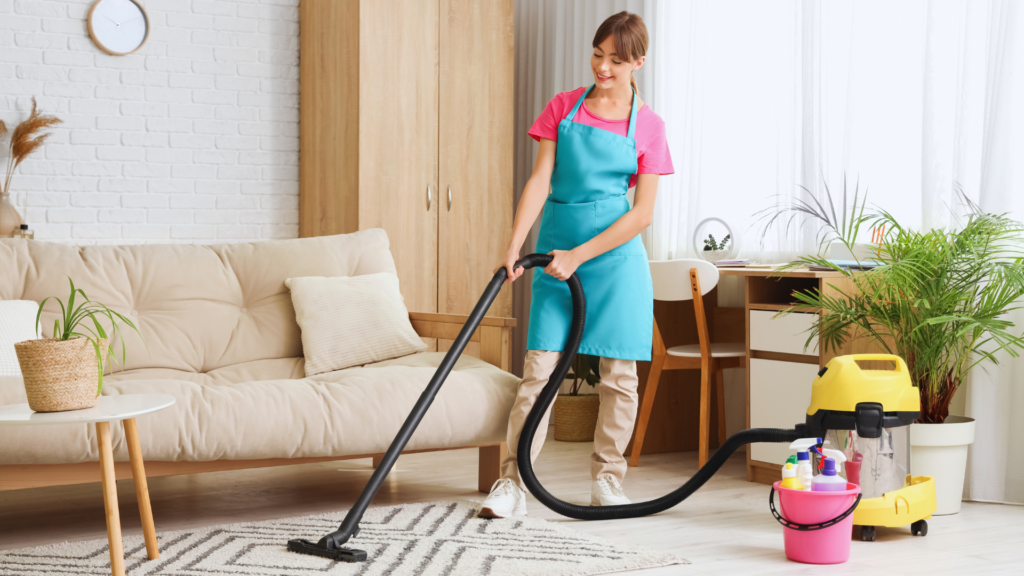
Creating a more refined and comfortable living space doesn’t require a complete redesign or costly renovations. Simple, consistent habits can transform everyday environments into places that feel organised, welcoming, and stylish. Regular decluttering, thoughtful lighting choices, and mindful arrangement of personal items are key habits that elevate the atmosphere of any room.
These small actions promote a sense of calm and order that enhances both the look and the feel of a home. By focusing on daily routines that maintain cleanliness and promote intentional styling, a living space can effortlessly reflect both personality and comfort. This approach makes luxury accessible through practical, manageable steps rather than expensive upgrades.
The impact of these habits can be seen in how the home supports everyday activities and improves overall well-being. With a foundation of simplicity and care, any living space becomes a more inviting place to live, work, and relax.
Establishing Daily Tidying Routines
Daily tidying requires simple actions that target specific areas prone to clutter and disorder. By focusing on routine tasks, a living space becomes easier to maintain, feeling organised and inviting without extensive effort.
Decluttering High-Traffic Areas
High-traffic zones like the kitchen, living room, and hallway accumulate items quickly. Regularly clearing surfaces of unnecessary objects prevents clutter buildup and maintains flow.
It helps to designate a “landing zone” for keys, mail, and bags to avoid spreading clutter. Spending 5 minutes each day picking up misplaced items reduces overwhelm later. Prioritising these areas keeps common rooms comfortable for residents and guests alike.
Making the Bed Each Morning
Making the bed is a brief but impactful habit. Starting the day by straightening sheets and arranging pillows instantly improves the bedroom’s appearance.
This simple task sets a productive tone and discourages laziness that can extend elsewhere. It only requires a couple of minutes, but signals care and order. A neat bed also makes the entire room feel more organised and inviting.
Organising Entryways
Entryways are critical transition zones where mess can quickly accumulate from coats, shoes, and bags. Establishing clear storage solutions prevents clutter.
Using shoe racks, hooks, or baskets keeps items off floors and surfaces. Encouraging the habit of putting things in their designated place immediately reduces mess and saves time later. A tidy entryway leaves a positive first impression and eases daily routines.
Incorporating Mindful Cleaning Habits
Mindful cleaning focuses on small, intentional actions that keep a home orderly without overwhelming effort. Consistent attention to surfaces, floors, and periodic deep cleans can maintain a healthy and pleasant living environment. These practices minimise clutter buildup and promote a calm, organised space.
Spot-Cleaning Surfaces
Regularly wiping down high-touch areas prevents dirt and grime from accumulating. Surfaces like kitchen counters, dining tables, and bathroom sinks benefit from quick daily spot-cleaning using appropriate cleaners. This habit reduces the need for intensive scrubbing later and controls bacteria.
Using microfiber cloths or disposable wipes helps remove dust and spills effectively. Paying attention to handles, switches, and electronic devices ensures germs don’t spread easily. It is efficient to integrate spot-cleaning with other daily routines, such as after cooking or before bedtime, to maintain a fresh appearance all day.
Maintaining Fresh Floors
Floors should be kept free from debris and dust through daily or every-other-day sweeping or vacuuming, depending on foot traffic. Spot-mopping spills immediately prevents stains and sticky residues. Selecting floor cleaners suitable for the specific material—wood, tile, or carpet—protects surfaces from damage.
For carpeted areas, a weekly vacuum combined with regular spot-treatment on stains keeps fibres clean and maintains air quality. Using a doormat limits dirt entry, reducing the frequency of intensive floor cleaning. Simple habits like these maintain comfort and hygiene underfoot.
Weekly Deep Cleans
A weekly deep clean targets neglected areas and tasks beyond daily maintenance. This may include scrubbing bathroom tiles, cleaning kitchen appliances, dusting light fixtures, and washing bed linen. Doing these jobs regularly prevents grime build-up and keeps the home feeling revitalised.
Scheduling deep cleans into the weekly routine prevents them from becoming overwhelming. Breaking the tasks into manageable sections spreads the workload evenly. Using natural or gentle cleaning products during deep cleans supports a healthy indoor environment without harsh chemicals.
Enhancing Ambience Through Scent and Lighting
Creating a welcoming atmosphere often depends on carefully chosen scents and effective use of light. Thoughtful scent selection can influence mood and comfort, while maximising natural light emphasises space and warmth. Together, these elements define the character and feel of a living area.
Introducing Pleasant Scents
Adding pleasant scents to a space can uplift the atmosphere and support relaxation. Using natural options like essential oils, scented plants, or beeswax candles avoids overwhelming synthetic aromas.
Popular choices include lavender for calm, citrus for energy, and eucalyptus for freshness. Candles and diffusers offer flexible methods to disperse scents evenly. Rotating fragrances based on season or time of day keeps the environment dynamic.
Maintaining good air circulation prevents scent buildup, ensuring a subtle yet noticeable effect. Developing signature scents for each room creates a unique, memorable experience that complements the room’s purpose.
Maximising Natural Light
Natural light enhances a room’s spaciousness and warmth, contributing to a positive mood. Keeping windows clean and unobstructed allows maximum daylight penetration.
Using light, reflective colours on walls and furniture amplifies the light entering the room. Sheer curtains provide privacy without blocking sunlight.
Positioning mirrors strategically can bounce light into darker corners. Removing heavy or dark window treatments allows for flexible control between brightness and privacy throughout the day.
Curating a Personalised Environment
A well-curated environment reflects the occupant’s values and personality, fostering comfort and inspiration. Subtle adjustments to decor and meaningful displays can significantly influence the atmosphere, making the space uniquely theirs.
Rotating Decorative Accents
Regularly changing decorative accents keeps a living space fresh and engaging. This practice allows individuals to highlight different colours, textures, and styles throughout the year without a costly overhaul.
Seasonal rotation might include cushions, throws, or art pieces that support specific moods or themes. For example, warmer tones and plush fabrics in winter create a cosy feel, while lighter materials and brighter colours in summer enhance brightness and airiness.
Rotating accents also encourages mindful curation. It prevents clutter buildup by encouraging selective display, focusing on items that add genuine value or pleasure.
Showcasing Personal Mementoes
Displaying personal mementoes transforms houses into homes by linking space with memory. Family photos, travel souvenirs, or heirlooms act as visual narratives, deepening emotional connections to the environment.
Arranging these items strategically can balance aesthetic appeal with storytelling. Grouping objects by theme or timeline enhances coherence and draws attention to meaningful details.
Using frames, shelves, or dedicated display cases protects these items while turning them into focal points. This deliberate curation promotes a sense of identity and grounding within the space.
Optimising Storage Solutions
Effective storage enhances both functionality and appearance in a living space. Prioritising smart techniques ensures belongings are accessible without adding clutter or sacrificing style.
Utilising Hidden Storage
Hidden storage maximises space by concealing items in unexpected areas. Furniture with built-in compartments, such as ottomans or beds with underframe drawers, is ideal for stashing away items not used daily.
Walls can also offer hidden pockets through recessed shelving or concealed cabinets. These options keep the floor clear, enhancing the room’s openness.
When using hidden storage, it is important to maintain organisation within. Clear containers or divided sections prevent lost or forgotten items, ensuring the storage remains practical, not just decorative.
Labelling and Sorting Items
Labelling items improves efficiency by making it easy to locate and return belongings. Using consistent, clear labels on boxes, drawers, or shelves helps maintain order.
Sorting involves grouping similar items by type or frequency of use. For example, everyday kitchen tools are best kept within direct reach, while seasonal decorations can be stored separately in labelled bins.
Combining both methods leads to quicker access and minimises time spent on searching or tidying. A simple system, such as colour-coded labels or numbered categories, can support long-term upkeep.
Practising Sustainable Living in Your Space
Sustainable living at home begins with practical, manageable actions that reduce environmental impact. These include minimising waste and bringing nature indoors to improve air quality and wellbeing.
Reducing Daily Waste
Reducing household waste starts with conscious choices about consumption. Opting for reusable items like cloth bags, glass containers, and stainless-steel water bottles eliminates single-use plastics.
Composting organic waste such as vegetable peelings and coffee grounds diverts rubbish from landfill and enriches soil for plants. Regularly assessing what to buy helps avoid over-purchasing and food waste.
Simple swaps, such as buying products without excessive packaging or choosing refillable cleaning supplies, further reduce waste generation. Setting up designated bins for recycling ensures materials are properly sorted and repurposed.
Incorporating Greenery
Adding indoor plants improves indoor air quality by filtering pollutants and increasing oxygen levels. Plants like spider plants, snake plants, and peace lilies require minimal maintenance while offering significant benefits.
Strategically placing greenery near windows maximises natural light exposure, which supports photosynthesis. Using pots made from recycled or sustainable materials aligns with eco-conscious choices.
Moreover, herbs grown indoors provide fresh ingredients, reducing the need for store-bought alternatives with packaging. Plants also create a calming environment, contributing to mental well-being alongside environmental value.
Building Good Habits for a Tranquil Home
Establishing specific daily practices can significantly reduce stress and create a more peaceful living space. These habits focus on practical actions that directly affect cleanliness, order, and mental clarity. Consistently applying them helps maintain calm and comfort throughout the home.
Implementing a No-Shoes Policy
Removing shoes at the entrance limits dirt, dust, and allergens from spreading indoors. This simple habit reduces the frequency of floor cleaning and helps keep carpets and rugs cleaner for longer.
Families and guests should be encouraged to leave footwear at the door, providing a dedicated shoe rack or mat to organise shoes neatly. This creates a visual reminder and maintains an orderly entryway.
In colder months, supplying slippers or indoor shoes boosts comfort and encourages adherence. The habit also supports better hygiene by preventing outdoor pollutants from contaminating living areas.
Maintaining Digital Cleanliness
Digital clutter contributes to mental overload and detracts from a calm environment. Regularly organising files, emails, and desktop icons helps maintain a sense of order.
Setting specific times to clear out old messages and unused apps prevents build-up. Using folders and labels to categorise digital documents increases efficiency and reduces frustration.
It is useful to uninstall apps no longer needed and delete duplicate files. A tidy digital space mirrors physical cleanliness, supporting clearer thinking and reducing distraction in the home.
Fostering a Space for Wellness and Calm
Creating a living environment that supports well-being involves deliberate choices in layout, lighting, and décor. Small adjustments can reduce stress and encourage relaxation, making the home a sanctuary from daily pressures.
Creating Relaxation Zones
Designating specific areas for relaxation helps to mentally separate work or chores from rest. These zones should be uncluttered, featuring comfortable seating and soft lighting to encourage winding down.
Incorporating natural elements like plants or natural light increases calmness. Textiles such as cushions and throws in muted colours add tactile comfort, enhancing the soothing atmosphere.
Simple additions, such as noise-reducing rugs or sound machines, minimise distractions. This focused environment supports mindfulness practices or quiet reading, making relaxation intentional and effective.
Inviting Positive Energy
A space that invites positive energy can influence mood and productivity. Ensuring good air quality and practical organisation reduces stress linked to disorder.
Personalising the area with meaningful art or objects fosters a sense of belonging. Choosing colours that evoke calm, such as soft blues or greens, can enhance emotional balance.
Using scents like lavender or eucalyptus through diffusers or candles supports mental clarity. Regular maintenance, like decluttering and airing out spaces, keeps the environment fresh and energising.